日本の神社で奉納される「神楽舞(かぐらまい)」は、古来より神々への感謝と祈りを表す大切な神事です。
舞は単なる芸能ではなく、神と人とを結ぶ“祈りのかたち”。
静かな所作や音の中に、神に心を向ける清らかな精神が息づいています。
神楽の源流は「神を楽しませ、共に生きる」という思想にあります。
稲作の恵み、生命の誕生、四季のめぐり――
自然のすべてに神を感じ、感謝の心を舞として捧げてきました。
舞う人は、心身を清め、神の前にまっすぐに立ち、所作ひとつひとつに祈りを込めます。
その瞬間、社殿は神と人が通い合う聖なる場へと変わります。
現代においても、神楽舞は各地の神社で受け継がれています。
子安神社でも毎年一月九日、初金刀比羅祭の神事において巫女による舞が奉納され、
神々への感謝と地域の安寧を祈る伝統が続いています。
また、この舞を指導してくださっている神楽団体は、
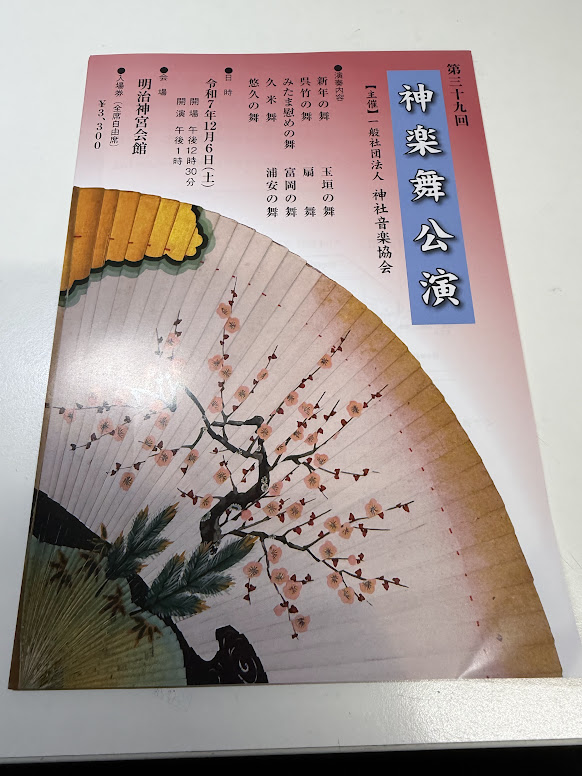
明治神宮においても年に一度「神楽舞公演」を開催し、
全国各地の神社に伝わる舞が披露されます。
祈りの舞が今も生きた文化として息づいていることを実感できる貴重な機会です。
神楽舞の一挙手一投足には意味があります。
扇を開く動きは天地を開く象徴、鈴の音は場を清め、神を招く響き。
一礼には神々への感謝と敬意が込められています。
それは言葉を超えた祈りの表現であり、
目に見えないものを敬い、命を大切にする日本人の心そのものです。
派手な舞台ではありませんが、
静けさの中にある美しさこそが神楽舞の本質。
子安神社では、こうした祈りの心を次の世代へと伝えながら、
日々の奉仕の中に受け継がれた伝統を大切にしています。
The Sacred Dance of Prayer — The Spirit of Kaguramai
Kaguramai, the sacred dance performed at Shinto shrines, has long been an expression of gratitude and prayer to the deities.
It is not a performance for entertainment, but a spiritual form that connects the divine and the human.
Within each quiet movement and sound lives a heart sincerely turned toward the gods.
The origin of Kaguramai lies in the belief that the gods are pleased through beauty and sincerity.
Blessings of rice, the gift of life, and the changing of the seasons — all are expressions of gratitude offered through dance.
The dancer purifies heart and body, stands humbly before the divine, and dedicates each gesture as a prayer.
In that moment, the shrine becomes a sacred place where the human and divine meet.
Even today, Kaguramai continues to be passed down at shrines throughout Japan.
At Koyasu Shrine, a sacred dance is offered every year during the Hatsu Kotohira-sai on January 9th,
as a prayer of gratitude to the deities and for peace within the community.
The group that provides instruction for this dance also holds the annual Kaguramai Performance at Meiji Jingu,
where traditional dances from shrines across Japan are presented.
It offers a rare opportunity to experience how sacred dance continues to live as a part of Japan’s spiritual culture.
Every movement in Kaguramai carries meaning —
the opening of a fan symbolizes the unfolding of heaven and earth,
the ringing of bells purifies the space and calls upon the divine,
and a bow expresses gratitude and reverence.
These gestures are prayers beyond words, embodying the Japanese spirit of harmony and respect for life.
Though not a grand spectacle, the quiet beauty within Kaguramai reveals its true essence.
At Koyasu Shrine, this spirit of prayer is cherished and passed on to future generations,
as we continue to uphold this sacred tradition through daily service and devotion.