に投稿

秋の収穫と感謝の祈り

第5回 直会 ― 神と人がともにいただく祈り

祭典のあと、神様にお供えした食を人がともにいただくことを「直会(なおらい)」といいます。
これは、神と人が一つの食を分かち合うという古代からの習わしであり、
感謝と恵みを共有する神聖な時間です。

神前にお供えした食は、神の力が宿る「神饌(しんせん)」とされ、
それをいただくことで神の恵みを体に取り込み、心を清めると考えられてきました。
つまり直会は、神と人とが一体となる象徴的な行いなのです。

この「共にいただく」という考え方は、
家族が同じ食卓を囲む日常の祈りにも通じます。
食事を通して感謝し、いのちを尊び、互いを思いやる心――
それこそが日本人の信仰の根本にある「祈りの形」といえるでしょう。

東京八王子の子安神社では、
日々の祭典のあとに神饌をお下げし、神様とともに祈りを結びます。
安産・子育てを願う祈りもまた、いのちを分かち合う尊い直会の心に通じています。


Autumn Harvest and Prayers of Gratitude
Koyasu Shrine, Hachioji Tokyo Blog Series

Part 5 — Naorai: Sharing the Divine Meal

After a Shinto ritual, it is customary for participants to partake in the food offered to the deities—
a sacred practice known as Naorai.
It represents the act of sharing a single meal with the gods,
a moment of gratitude and unity that has been passed down since ancient times.

The food presented before the altar, known as Shinsen, is believed to be imbued with divine energy.
By partaking of it, people receive the blessings of the deities
and purify both body and heart.
Thus, Naorai symbolizes the deep bond between the divine and humankind.

This spirit of “sharing together” also lives in the family table of everyday life.
To give thanks, to cherish life, and to care for one another—
these are expressions of the same faith that nurtures Japan’s spiritual tradition.

At Koyasu Shrine in Hachioji, Tokyo, the offerings are reverently removed after each ritual,
and prayers are renewed in harmony with the gods.
The wish for safe childbirth and the healthy growth of children
flows from this timeless spirit of Naorai,
where life itself is shared as a sacred blessing.
に投稿

新嘗祭(にいなめさい)を斎行しました

本日、子安神社にて新嘗祭(にいなめさい)が斎行されました。
春に御神田で植えた稲が、無事に実り、
神職の手で刈り取られた稲を神前にお供えいたしました。

新嘗祭は、五穀豊穣を神々に感謝し、
その年に収穫された新しいお米をお供えする祭典です。
古代より、天皇陛下も宮中でこの日を迎え、
国の安泰と人々の幸せをお祈りになられます。

子安神社では、実りに感謝し、
地域の皆さまの健康と安産、そして子育ての平穏をお祈り申し上げました。
稲のめぐり、いのちのめぐり――
自然の恵みの中で生かされていることに、改めて感謝の心を捧げます。


Autumn Harvest and Prayers of Gratitude
Koyasu Shrine, Hachioji Tokyo Blog Series

The Niiname-sai (Harvest Thanksgiving Festival)

Today, Koyasu Shrine in Hachioji, Tokyo, held the Niiname-sai,
the ancient festival of gratitude for the year’s harvest.
Rice grown in the shrine’s sacred paddy was harvested by hand
and reverently offered before the altar.

The Niiname-sai is a time-honored Shinto ritual
in which newly harvested rice is presented to the deities
in thanks for the blessings of abundance and peace.
Since ancient times, the Emperor himself has observed this day at the Imperial Palace,
offering prayers for the well-being of the nation and its people.

At Koyasu Shrine, we expressed gratitude for the bounty of nature
and prayed for the health, safe childbirth, and happiness of all families.
As the rice ripens and life continues to flourish,
we renew our appreciation for the divine cycle that sustains us all.

に投稿

秋の収穫と感謝の祈り

第4回 神々へのお供え ― 神饌の清らかなこころ

神社で神様にお供えする食を「神饌(しんせん)」といいます。
神饌は、米・塩・水をはじめ、海の幸や山の幸など、
その土地の恵みを神前にお供えし、感謝を捧げるものです。

古くから日本人は、自然の恵みを「いただく」だけでなく、
その恵みを「お返しする」ことで、神と人とのつながりを保ってきました。
お供えは単なる儀礼ではなく、
感謝と清らかな心を神に届ける行いです。

神饌において大切なのは、量や豪華さではなく、
“まごころ”と“清浄”
新しい米を炊き、清らかな水を汲み、塩を整える――
そのひとつひとつの所作に、祈りの心が宿ります。

東京八王子の子安神社では、毎朝新しい米と水をお供えし、
安産・子育てを願う人々の祈りを神前に届けています。
稲の実りも、人のいのちも、すべては神の恵みのめぐりの中にあります。


Autumn Harvest and Prayers of Gratitude
Koyasu Shrine, Hachioji Tokyo Blog Series

Part 4 — Offerings to the Deities: The Pure Heart of Shinsen

At Shinto shrines, food offerings to the deities are called Shinsen.
These offerings—rice, salt, water, and seasonal blessings from the mountains and sea—
are presented to express gratitude for nature’s gifts.

Since ancient times, the Japanese people have maintained harmony with the divine
not only by receiving blessings from nature,
but by returning them through acts of offering.
Shinsen is not merely a ritual, but a gesture of sincerity and purity from the heart.

In Shinsen, what matters most is not quantity or luxury,
but sincerity and purity.
Cooking fresh rice, drawing clean water, and preparing salt—
each simple act carries a prayer within it.

At Koyasu Shrine in Hachioji, Tokyo, fresh rice and water are offered every morning,
carrying the prayers of those who seek safe childbirth and healthy families.
Both the ripening of rice and the nurturing of life
are blessings born of the same divine cycle

に投稿

秋の収穫と感謝の祈り

第3回 お米に宿る神 ― 「いただきます」に込められた心

日本の食卓に欠かせないお米には、古くから神が宿ると信じられてきました。
一粒一粒の米の中に、稲の魂「稲魂(いなだま)」が宿ると考えられ、
ご飯をいただくことは、神様の恵みを体に取り込むことでもありました。

「ご飯」という言葉は「御飯(おんめし)」が語源で、
神様からいただいた尊い食を意味します。
そのため、食事の前に「いただきます」と手を合わせるのは、
自然や神、そして命を分け与えてくれたすべての存在への感謝のしるしなのです。

神道では、神様にお供えする食を「神饌(しんせん)」と呼びます。
お米や塩、水といった清らかなものを神前に供え、
その恵みに感謝する心が大切にされてきました。
人が食を通して神とつながる――それが、
古来から続く日本人の祈りのかたちです。

東京八王子の子安神社でも、
毎朝の祭典でお米をお供えし、安産と家族の健康を祈っています。
お米に宿る神への感謝を忘れず、
日々の「いただきます」に祈りの心を込めて過ごしたいものです。


Autumn Harvest and Prayers of Gratitude
Koyasu Shrine, Hachioji Tokyo Blog Series

Part 3 — The Sacred Spirit in Rice: The Heart Within “Itadakimasu”

In Japan, rice has long been believed to hold a divine spirit.
Each grain was thought to contain the Inadama—the soul of the rice—
and eating it was considered an act of receiving the blessings of the gods.

The Japanese word for cooked rice, gohan, comes from on-meshi, meaning “honorable food.”
Thus, the gesture of saying itadakimasu before meals
expresses gratitude to nature, the deities, and all life that sustains us.

In Shinto, offerings of food to the gods are called Shinsen.
Pure items such as rice, salt, and water are placed before the altar,
representing thanksgiving for life’s blessings.
Through food, people are connected with the divine—
a practice that has shaped Japanese spirituality since ancient times.

At Koyasu Shrine in Hachioji, Tokyo, rice is offered daily to the deities
in prayers for safe childbirth and the health of every family.
By remembering the sacred spirit within each meal,
we continue the timeless prayer of gratitude that lives within itadakimasu.

に投稿

秋の収穫と感謝の祈り

第2回 田の神の一年 ― 稲のめぐりと四季のまつり

日本の稲作は、四季のうつろいとともに祈りの節目を迎えます。
春には種をまき、田植えの時期には御田植祭(おたうえさい)が行われ、
田の神を迎えて豊かな実りを願います。

夏には、稲の成長を妨げる風や雨を鎮める祈りが各地で行われました。
古代の奈良・龍田大社では風の神・志那都比古神(しなつひこのかみ)を祀り、
兵庫の廣田神社では天照大御神の荒御魂に風を鎮める祈りを捧げたと伝えられます。
風は稲を育てる恵みであると同時に、時に田を倒す災いともなるため、
人々はその力を畏れ、自然との調和を願いました。

秋になると、抜穂祭(ぬいぼさい)で稲を刈り、
やがて新嘗祭(にいなめさい)で神々に初穂をお供えし、感謝を捧げます。
田の神は再び山へ帰るとされ、春を待ってまた降りてくる――
その循環こそが、いのちのめぐりを表しています。

東京八王子の子安神社でも、御神田の稲を神前にお供えし、
自然の恵みと家族の健康、安産・子育ての平穏を祈っています。
稲の一年の祈りは、そのまま人の一生を見つめる祈りでもあります。


Autumn Harvest and Prayers of Gratitude
Koyasu Shrine, Hachioji Tokyo Blog Series

Part 2 — The Cycle of Rice and Prayer: Festivals Through the Four Seasons

Rice cultivation in Japan follows the rhythm of the seasons,
each stage marked by prayers and festivals.
In spring, seeds are sown and the Otaue-sai (rice-planting festival) welcomes the god of the fields,
asking for abundant growth and a fruitful harvest.

In summer, people prayed for calm winds and gentle rain.
At Tatsuta Taisha in Nara, the wind god Shinatsuhiko-no-Kami was enshrined,
while Hirota Shrine in Hyogo offered prayers to the Aramitama,
the powerful aspect of Amaterasu Omikami, to still the winds.
Wind gives life to rice, yet can also destroy the fields—
thus ancient people revered its dual nature and sought harmony with it.

In autumn, the Nuiho-sai marked the harvest,
and the Niiname-sai offered the first fruits to the deities in gratitude.
The field deity was believed to return to the mountains after the harvest,
only to descend again with the spring—symbolizing the eternal cycle of life.

At Koyasu Shrine in Hachioji, Tokyo, rice grown in the sacred paddy is offered before the altar,
with prayers for nature’s blessings, safe childbirth, and the health of every family.
The cycle of rice and prayer reflects the rhythm of life itself.

に投稿

子安神社の七五三詣

東京都八王子にある子安神社では、秋の七五三詣の時期、多くのご家族が神様にお子さまの成長を感謝し、これからの健やかな日々を祈願されます。


七五三詣は、無事にその年齢を迎えられた喜びを神様に報告し、これからの人生に幸せが続くように願う大切なご祈祷です。

子安神社は、安産と子育ての神様として広く知られています。
お子さまが誕生される前の安産祈願から、命名祈祷、初宮詣、そして七五三詣へと、
家族の成長を見守る神様として、多くのご家庭に信仰されてきました。

ご祈祷では、神職が祝詞を奏上し、家族そろって神前に拝礼します。
厳かな空気の中で、これまでの成長への感謝と、これからの健康・幸福を祈るその時間は、
お子さまの人生において忘れられない節目となることでしょう。

東京で安産・子育てのご利益をいただける神社として親しまれる子安神社。
七五三詣を通して、家族の絆と感謝の心を新たにしてみてはいかがでしょうか。


Shichi-Go-San at Koyasu Shrine

At Koyasu Shrine in Hachioji, Tokyo, families gather in autumn to express gratitude for their children’s growth and to pray for their continued well-being.
The Shichi-Go-San ceremony is an important milestone to give thanks to the gods and to pray for a happy future as children grow up.

Koyasu Shrine is well known as a sacred place dedicated to safe childbirth and child-rearing.
From prayers for safe delivery to naming ceremonies, the first shrine visit, and then Shichi-Go-San,
the shrine has long been a place where families pray for each stage of their children’s growth.

During the ceremony, Shinto priests recite sacred words, and families offer their prayers together before the altar.
In the quiet and solemn atmosphere, gratitude and hope fill the hearts of parents and children alike—
a moment that becomes a precious memory in the child’s life.

Cherished as one of Tokyo’s shrines for safe childbirth and child-rearing,
Koyasu Shrine welcomes families to celebrate Shichi-Go-San with sincere prayers of thanks and joy.

に投稿

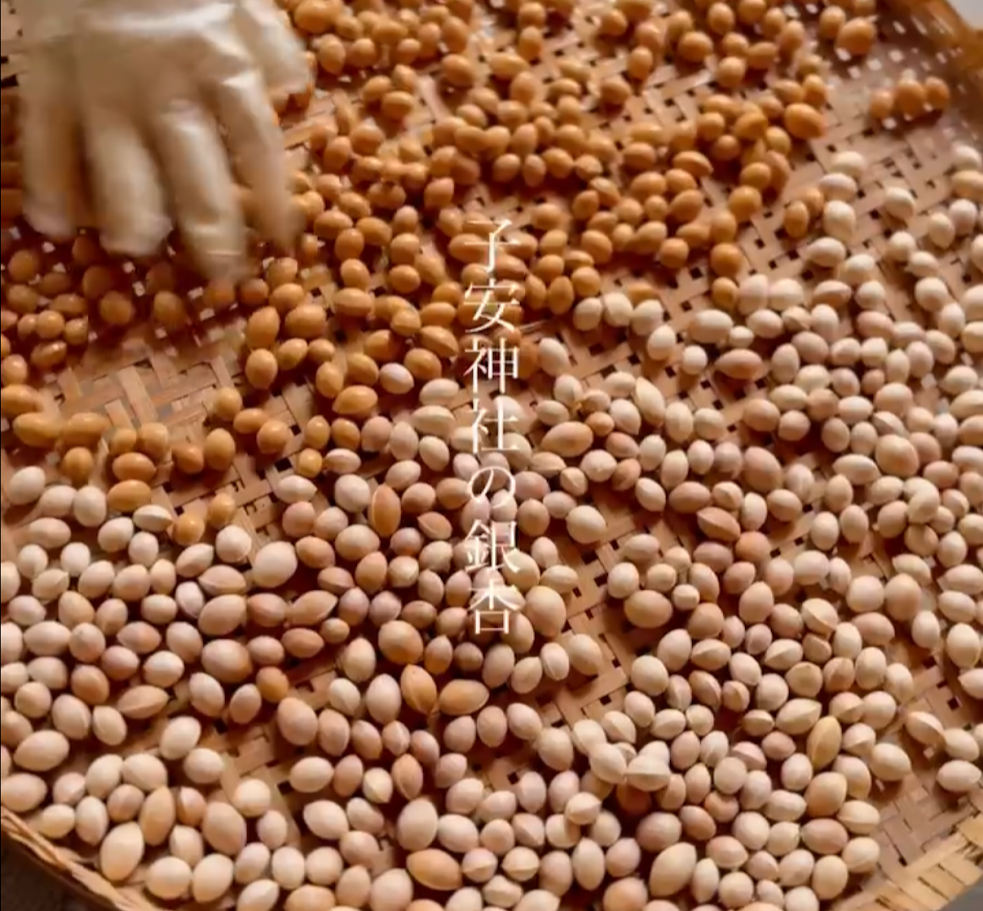
境内のいちょうが実りの季節を迎えました ― 銀杏の下処理のようす ―

子安神社の境内では、秋になるといちょうの木が黄金色に染まり、
たくさんの実をつけます。
神様のそばで静かに育った銀杏は、今年も豊かに実りの季節を迎えました。

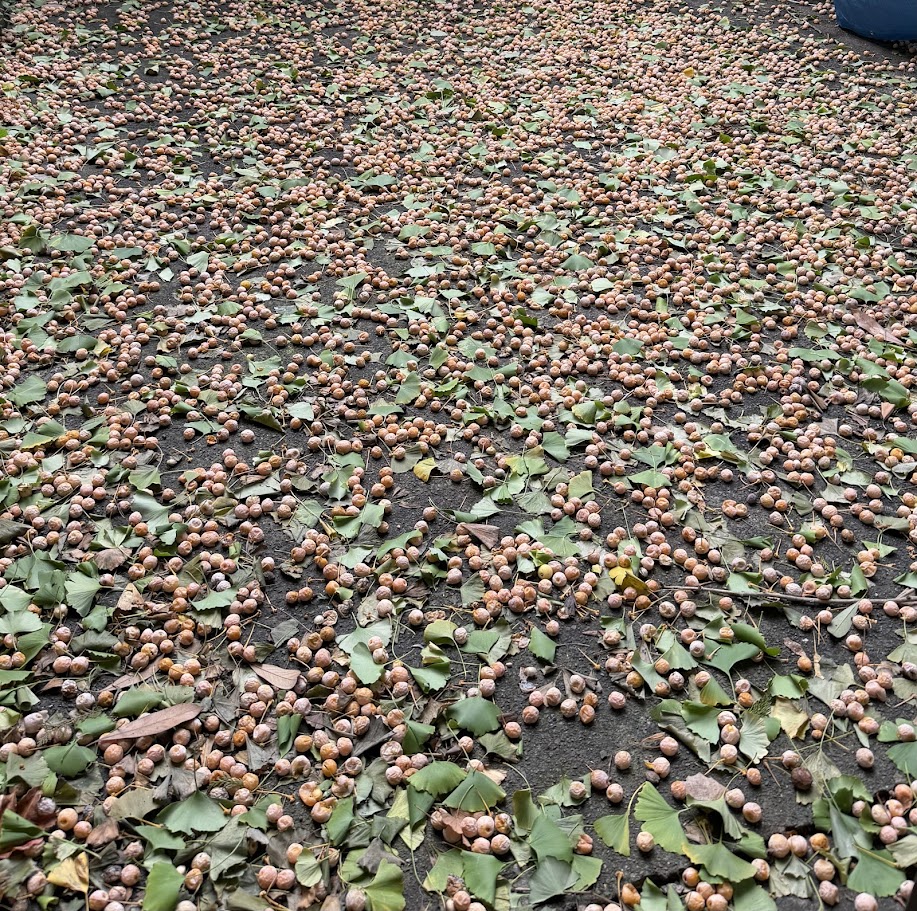
いちょうの木の下には、ころころと小さな実が落ちていて、
その一粒一粒を大切に拾い集めます。
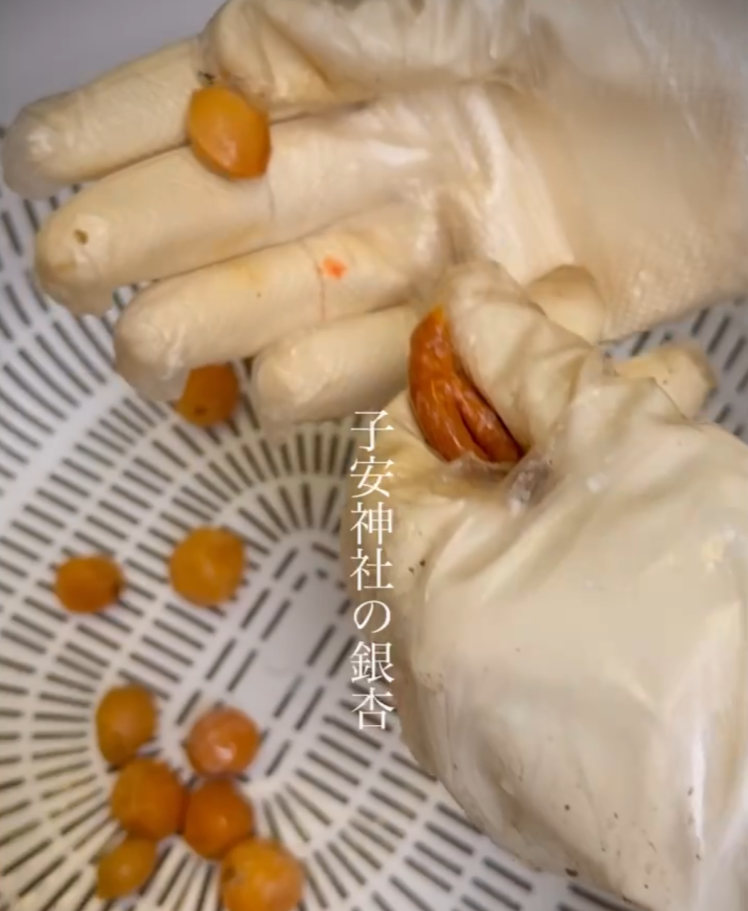
果肉を取り除いたあと、水で丁寧に洗い、
数日間、風通しのよい場所で乾かします。
実を並べていくと、秋の光の中で金色がいっそう美しく見え、
まるで神様からの贈り物のようです。

この下処理の時間は、ただの作業ではなく、
一年の恵みを神様に感謝する静かなひとときでもあります。
すべての銀杏を清め終えたあとには、
境内いっぱいにやさしい香りと秋の空気が満ちていました。

次回は、この銀杏が授与のかたちになるまでのようすをご紹介します。


The ginkgo trees in the grounds of Koyasu Shrine have turned golden once again.
Each autumn, they bless us with small, shining fruits.
We carefully gather them from beneath the sacred trees,
remove the outer flesh, wash them clean, and let them dry under gentle air and sunlight.

This quiet work is more than preparation—it is a moment of gratitude,
offering thanks for the blessings of the season.
When the silver nuts are all cleansed and drying in the light,
their soft scent and golden glow fill the shrine with peace.

In the next post, we will share how these ginkgo nuts are wrapped and prepared for offering.

に投稿

秋の収穫と感謝の祈り

第1回 いのちを実らせる祈り ― 日本人と稲作のはじまり

日本の祈りの原点には、稲作とともに歩んだ長い歴史があります。
縄文の人々は山・海・火・風など、自然そのものを神と感じ、
狩猟や採集の暮らしの中で「生かされている」ことへの感謝を形にしてきました。

やがて弥生時代に稲作が伝わると、人々の祈りは「自然への畏れ」から「自然への感謝」へと変わります。
稲は食べ物であると同時に、いのちの象徴。
その実りを神に捧げることが、やがて日本の神道の根幹となりました。

この時代に生まれた“稲の神”の信仰は、山の神や水の神とも結びつき、
春に田へ降り、秋に山へ帰る――という「田の神信仰」として各地に広がります。
稲の芽生えや実りの喜びが、やがて祭りや歌、そして神社の祭祀へと受け継がれていきました。

一方で、諏訪大社に代表されるように、
縄文的な“自然の力を畏れる祈り”も生き続けていました。
諏訪の神・建御名方神(たけみなかたのかみ)は、風や水の力を象徴し、
稲作以前の「力の神」の信仰が今に伝わっています。
こうした“自然への畏れ”と“実りへの感謝”の融合が、
日本人の祈りのかたちをつくったといえるでしょう。

東京八王子の子安神社でも、自然の恵みに感謝する祈りが今も息づいています。
安産・子育てを願う心は、古代から続く“いのちの祈り”の延長線上にあります。
人のいのちもまた、大地のいのちのめぐりの中で育まれているのです。


Autumn Harvest and Prayers of Gratitude
Koyasu Shrine, Hachioji Tokyo Blog Series

Part 1 — The Prayer That Brings Life to Harvest: The Origins of Japanese Rice Cultivation

At the heart of Japan’s faith lies a deep connection with rice cultivation.
The people of the Jomon era revered mountains, seas, fire, and wind as deities,
expressing gratitude for being sustained by nature itself.

With the coming of the Yayoi period, rice farming was introduced,
and human prayers shifted from fearing nature to thanking it.
Rice became not only food but a symbol of life itself,
and offering its first harvest to the deities formed the foundation of Shinto belief.

From these roots arose the worship of the Ta-no-Kami, the god of the rice fields,
who was believed to descend to the fields in spring and return to the mountains after harvest—
a rhythm mirroring the eternal cycle of life.

Meanwhile, the ancient faith of Suwa, where Takeminakata-no-Kami is enshrined,
preserved the older reverence for the raw powers of nature—wind, water, and vitality itself.
The fusion of this awe with gratitude for the harvest shaped the spirit of Japanese prayer.

At Koyasu Shrine in Hachioji, Tokyo, this ancient spirit endures.
Prayers for safe childbirth and the healthy growth of children
are offered with the same reverence for life that has flowed since the dawn of Japan.

に投稿

神に捧ぐ祈りの舞 ― 神楽舞に込められた心

日本の神社で奉納される「神楽舞(かぐらまい)」は、古来より神々への感謝と祈りを表す大切な神事です。
舞は単なる芸能ではなく、神と人とを結ぶ“祈りのかたち”。
静かな所作や音の中に、神に心を向ける清らかな精神が息づいています。

神楽の源流は「神を楽しませ、共に生きる」という思想にあります。
稲作の恵み、生命の誕生、四季のめぐり――
自然のすべてに神を感じ、感謝の心を舞として捧げてきました。
舞う人は、心身を清め、神の前にまっすぐに立ち、所作ひとつひとつに祈りを込めます。
その瞬間、社殿は神と人が通い合う聖なる場へと変わります。

現代においても、神楽舞は各地の神社で受け継がれています。
子安神社でも毎年一月九日、初金刀比羅祭の神事において巫女による舞が奉納され、
神々への感謝と地域の安寧を祈る伝統が続いています。

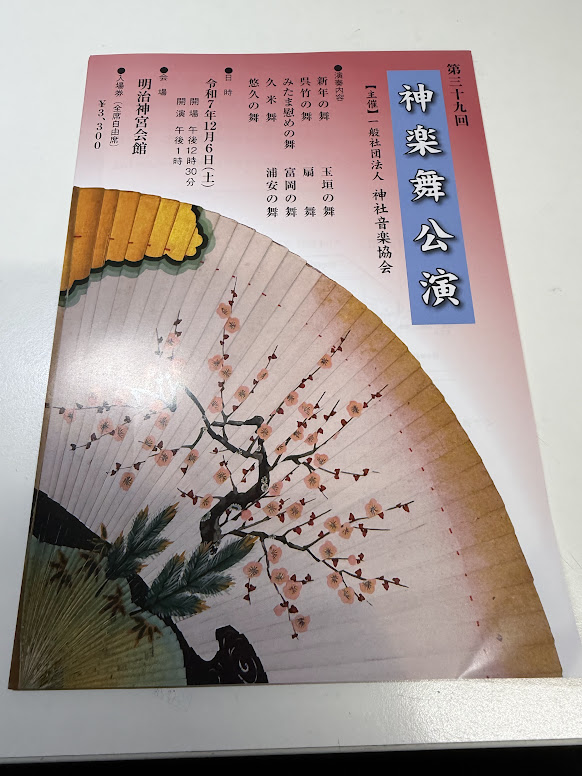
また、この舞を指導してくださっている神楽団体は、
明治神宮においても年に一度「神楽舞公演」を開催し、
全国各地の神社に伝わる舞が披露されます。
祈りの舞が今も生きた文化として息づいていることを実感できる貴重な機会です。

神楽舞の一挙手一投足には意味があります。
扇を開く動きは天地を開く象徴、鈴の音は場を清め、神を招く響き。
一礼には神々への感謝と敬意が込められています。
それは言葉を超えた祈りの表現であり、
目に見えないものを敬い、命を大切にする日本人の心そのものです。

派手な舞台ではありませんが、
静けさの中にある美しさこそが神楽舞の本質。
子安神社では、こうした祈りの心を次の世代へと伝えながら、
日々の奉仕の中に受け継がれた伝統を大切にしています。

The Sacred Dance of Prayer — The Spirit of Kaguramai

Kaguramai, the sacred dance performed at Shinto shrines, has long been an expression of gratitude and prayer to the deities.
It is not a performance for entertainment, but a spiritual form that connects the divine and the human.
Within each quiet movement and sound lives a heart sincerely turned toward the gods.

The origin of Kaguramai lies in the belief that the gods are pleased through beauty and sincerity.
Blessings of rice, the gift of life, and the changing of the seasons — all are expressions of gratitude offered through dance.
The dancer purifies heart and body, stands humbly before the divine, and dedicates each gesture as a prayer.
In that moment, the shrine becomes a sacred place where the human and divine meet.

Even today, Kaguramai continues to be passed down at shrines throughout Japan.
At Koyasu Shrine, a sacred dance is offered every year during the Hatsu Kotohira-sai on January 9th,
as a prayer of gratitude to the deities and for peace within the community.

The group that provides instruction for this dance also holds the annual Kaguramai Performance at Meiji Jingu,
where traditional dances from shrines across Japan are presented.
It offers a rare opportunity to experience how sacred dance continues to live as a part of Japan’s spiritual culture.

Every movement in Kaguramai carries meaning —
the opening of a fan symbolizes the unfolding of heaven and earth,
the ringing of bells purifies the space and calls upon the divine,
and a bow expresses gratitude and reverence.
These gestures are prayers beyond words, embodying the Japanese spirit of harmony and respect for life.

Though not a grand spectacle, the quiet beauty within Kaguramai reveals its true essence.
At Koyasu Shrine, this spirit of prayer is cherished and passed on to future generations,
as we continue to uphold this sacred tradition through daily service and devotion.

に投稿

八王子 子安神社の銀杏 ― 神域に実る秋の黄金


― 神域に実る秋の黄金

東京・八王子の子安神社では、秋の深まりとともに境内の奥にある神域で、黄金色の銀杏が美しく実ります。
この区域は普段は一般の方が立ち入ることのできない場所。人の足が入らないため、落ち葉も実も傷つくことなく、自然のままの姿を保っています。

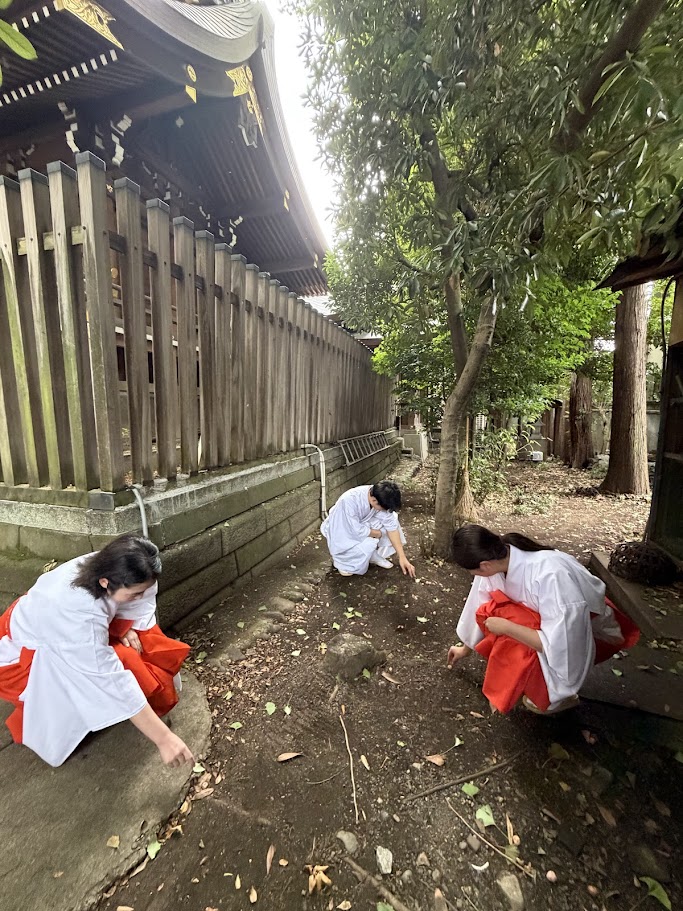
毎年この季節になると、巫女たちが一粒ずつ銀杏を拾い集め、境内を清めながら秋の恵みに感謝を捧げます。
風に揺れる金色の葉、陽に照らされた神木、そして澄んだ空気。
静寂の中に息づく自然の美しさは、まさに「神域の秋」と呼ぶにふさわしい光景です。

子安神社は「安産祈願」「子育て守護」として知られていますが、四季を通して自然とともにある神社でもあります。
特に秋は、銀杏や紅葉が彩る境内を訪ねる方が多く、写真愛好家にも人気の季節です。
もし八王子を訪れる機会があれば、ぜひ子安神社の秋の風景を感じてみてください。


🍁 English version

Golden Ginkgo in the Sacred Grounds of Koyasu Shrine, Hachioji

At Koyasu Shrine in Hachioji, Tokyo, golden ginkgo nuts ripen beautifully within the sacred inner grounds as autumn deepens.
This area is normally closed to the public, so the leaves and fruits remain untouched and pristine — a rare glimpse of pure nature within the city.

Each year, shrine maidens carefully gather the ginkgo one by one, offering thanks for the blessings of the season.
The golden leaves swaying in the breeze, sunlight filtering through the trees, and the quiet air together create a serene atmosphere unique to this sacred place.

Known for prayers of safe childbirth and child-rearing, Koyasu Shrine is also deeply connected to the rhythm of nature.
In autumn, the grounds glow with ginkgo and maple colors, inviting visitors to experience a peaceful moment of Japan’s seasonal beauty.