に投稿

七五三の由来

東京都八王子にある子安神社では、秋の深まりとともに七五三詣の季節を迎えます。


七五三は、子どもの健やかな成長を神様に感謝し、これからの幸せを祈る日本の伝統行事です。
古くは平安時代の宮中行事に由来し、江戸時代になると庶民にも広まり、現在の形が定着しました。

三歳は「髪置(かみおき)」と呼ばれ、髪を伸ばし始める節目、
五歳は「袴着(はかまぎ)」、初めて袴を着ける成長の印、
七歳は「帯解(おびとき)」といい、子ども用の帯から大人の帯へと替える儀式です。
それぞれの年齢に、無事に育った感謝と、これからの健康を祈る心が込められています。

なぜ11月15日なのかというと、江戸時代に五代将軍・徳川綱吉が子の健康を祈願した日がこの日にあたり、
その後、全国に広まったといわれています。
霜月(しもつき)は実りの季節であり、古来より神々への感謝を捧げる月でもあります。

安産・子育ての神様として知られる子安神社でも、
この季節、多くのご家族が感謝と祈りを胸にご参拝されます。
子どもの笑顔とともに、家族の絆を深める大切な一日となるでしょう。


The Origin of Shichi-Go-San

At Koyasu Shrine in Hachioji, Tokyo, the season of Shichi-Go-San—the traditional celebration for children’s growth—arrives with the deep colors of autumn.
This ancient custom expresses gratitude for a child’s healthy growth and prayers for their continued happiness.

The origins of Shichi-Go-San date back to the Heian period as a court ceremony and later spread among the people during the Edo period.
Each age carries its own meaning:
age three for Kamioki (allowing the child’s hair to grow),
age five for Hakamagi (putting on a hakama for the first time),
and age seven for Obitoki (changing from a child’s sash to an adult’s belt).
Through these rites, families give thanks and pray for health and protection.

November 15 became the traditional day after Tokugawa Tsunayoshi, the fifth shogun, prayed for his child’s health on that date.
In Japan, November—the month of harvest—has long been considered a sacred time to offer gratitude to the gods.

Known as a shrine dedicated to safe childbirth and child-rearing,
Koyasu Shrine welcomes many families who come to give thanks and offer prayers.
It is a day filled with smiles, gratitude, and the warmth of family bonds.

に投稿

明治祭が斎行されました

東京の安産祈願 子安神社

11月3日、子安神社にて明治祭(めいじさい)が斎行されました。
この日は明治天皇の誕辰(たんしん)にあたり、文化の日として広く親しまれています。
全国の神社とともに、子安神社でも明治天皇の御聖徳に感謝を捧げ、
国の平和と人々の幸せを祈る祭典が厳かに執り行われました。

祭典は中祭(ちゅうさい)として朝に斎行され、
神職・巫女による奉仕のもと、山海の幸、果物、野菜などの神饌(しんせん/お供え物)が丁寧にお供えされました。
玉串が奉られ、参列者も静かに頭を垂れて祈りを合わせました。

明治天皇が示された「国を思い、人を思う心」は、
現代に生きる私たちが大切にすべき祈りの原点でもあります。
子安神社では、安産や子育ての祈りを守り伝える神社として、
新しい命を迎えるご家族の健やかな日々を願い、
この明治祭を通じて平和への祈りを新たにいたしました。

文化の日を迎えたこの日、
多くの方が日本の歩みと日々の安らぎに感謝を寄せられました。
ご参拝くださいました皆さまに、心より御礼申し上げます。


Meiji-sai was solemnly held at Koyasu Shrine, Tokyo

On November 3, the Meiji-sai (Festival of Emperor Meiji) was solemnly conducted at Koyasu Shrine in Hachioji, Tokyo.
This day marks the tanshin (birthday) of Emperor Meiji and is widely known as Japan’s Culture Day.
Together with shrines throughout the country, Koyasu Shrine offered sincere gratitude for the virtues of Emperor Meiji,
and prayers were made for peace in the nation and the happiness of all people.

The ceremony was held in the morning as a Chusai (middle-level festival).
Under the service of Shinto priests and shrine maidens, offerings of foods from the mountains and sea,
seasonal fruits, and vegetables were reverently prepared as shinsen (sacred offerings).
Sacred branches were presented, and all participants quietly bowed their heads in prayer.

The spirit of “caring for the nation and caring for others,” as exemplified by Emperor Meiji,
remains a guiding heart for people living today.
As a shrine dedicated to prayers for safe childbirth and childrearing,
Koyasu Shrine renewed its prayers for peace and for the healthy, blessed days of families welcoming new life.

On this Culture Day,
many visitors expressed gratitude for Japan’s history and for the peace of daily life.
We sincerely thank everyone who came to worship with us.

に投稿

2025年11月2日は十三夜(栗名月・豆名月)です

本日、**2025年11月2日(日)**は十三夜、「栗名月」「豆名月」とも呼ばれるお月見の日です。
十五夜に続く「後の月(のちのつき)」を鑑賞し、栗や豆をお供えして秋の実りに感謝します。

十五夜と十三夜の両方をお月見することを「二夜の月見」といい、縁起が良いとされてきました。
ぜひ今夜は空を見上げて、やわらかな月明かりに祈りを捧げてみてはいかがでしょうか。


Today, November 2, 2025, is the 13th Night (Jūsanya)

Today, Sunday, November 2, 2025, is the 13th Night, also known as the “Chestnut Moon” or “Bean Moon.”
This Japanese moon-viewing tradition follows the Harvest Moon, with offerings of chestnuts and beans to give thanks for the season’s blessings.

Viewing both the 15th and 13th Nights is called “Double Moon Viewing”, considered very auspicious.
Tonight, take a moment to enjoy the gentle moonlight and reflect on gratitude and well-being.

に投稿

霜月のはじまり ― 子安神社の月次祭(つきなみさい)

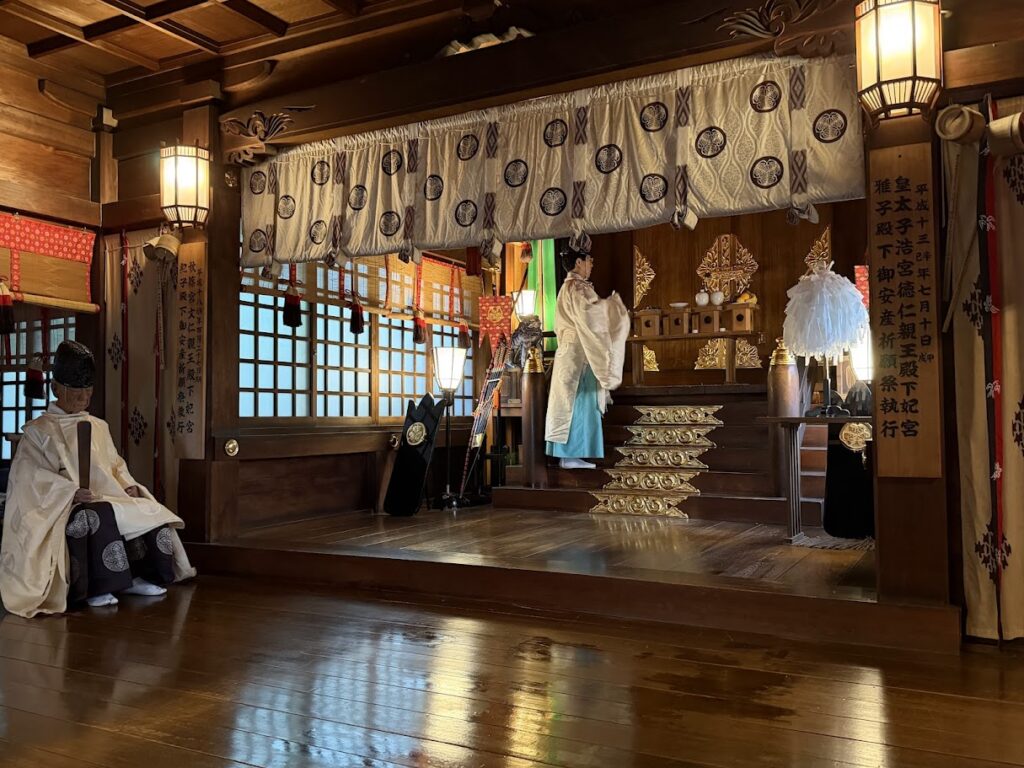
11月1日、子安神社(東京都八王子市)では月次祭(つきなみさい)が斎行されました。
子安神社の月次祭は、毎月1日と10日におこなわれる祭典で、日々の恵みに感謝し、国の安泰、そして参拝者の健康と幸せを祈る大切な儀式です。

朝の境内は清々しい冷気に包まれ、紅葉が少しずつ進む中、神職による祝詞が静かに響きました。
秋の実りとともに、この一年の無事を神さまに感謝し、新たな月のはじまりを祈念いたしました。

11月は七五三詣や明治祭、新嘗祭など、祈りの続く月です。
古くから続く日本のまつりの心――「感謝」「祈り」「つながり」を感じながら、どうぞ穏やかな霜月をお迎えください。

皆さまのご家庭に、清らかな光が届きますように。


Tsukinami-sai at Koyasu Jinja – November 1st

On November 1st, Koyasu Jinja in Hachioji, Tokyo, held the monthly Tsukinami-sai.
This ceremony, conducted on the 1st and 10th of every month, is a time to offer gratitude for daily blessings and to pray for the peace of the nation and the well-being of all visitors.

The morning air was crisp and filled with quiet light as autumn leaves began to turn.
With hearts full of gratitude for the year’s harvest, prayers were offered for safety, harmony, and a peaceful month ahead.

November is a season rich with traditional Shinto rituals such as Shichi-Go-San, Meiji-sai, and Niiname-sai.
Through these sacred observances, we renew our sense of gratitude and our bond with the divine.

May this month bring calm and blessings to all.