に投稿

月次祭 ― 日々の祈りとしての金刀比羅信仰

金刀比羅様のご縁日は、毎月十日。
子安神社ではこの日に月次祭を行い、変わらぬ祈りを捧げ続けています。

初金刀比羅祭やだるま市、開運餅まきのような賑わいのある行事の背景には、
こうした静かな月ごとの祈りがあります。
華やかな祭りも、日々の信仰の積み重ねがあってこそ、
人々の心に深く届くものとなります。

子安神社の金刀比羅様は、江戸時代にこの地へ勧請され、
戦災や八王子の大火を越えて、今も境内の裏鬼門を守るように鎮まっています。
火難除け、厄除け、開運の神様として、
人々の暮らしを静かに見守ってきました。

子安神社は、東京安産の守り神として知られ、
安産や子育て、命の誕生と成長を祈る神社です。
その境内で行われる金刀比羅神社の月次祭は、
新しい命を迎える祈りや、家族の無事を願う気持ちを、
日々の暮らしの中で支える役割を果たしています。

月次祭では、特別な願いだけでなく、
「今月も無事に過ごせたことへの感謝」
「来月も穏やかでありますように」という、
ささやかで切実な祈りが重ねられます。
それは、金刀比羅信仰が暮らしに根づいた信仰であることを物語っています。

一年のはじまりには初金刀比羅祭があり、
年の終わりには納こんぴら祭があります。
その間をつなぐのが、毎月の月次祭です。
福を願い、福を分かち合い、
また次の月へと歩みを進める――
その繰り返しの中に、人々の信仰は息づいています。

金刀比羅様の月次祭は、特別な日のためだけではなく、
日常を守るための祈り。
東京安産の祈りとともに、命と暮らしを静かに支え続ける、
生きた信仰のかたちなのです。


English

Monthly Festival — A Living Faith in Daily Life

(Koyasu Shrine, Tokyo – Safe Childbirth)

The sacred day of Kotohira-sama is the 10th of each month.
At Koyasu Shrine, a monthly festival is held on this day,
offering prayers that continue unchanged throughout the year.

Behind the lively events such as the Hatsu Kotohira Festival, the Daruma market,
and the lucky rice cake tossing ceremony,
there exists this quiet, monthly prayer.
Festivals gain their true meaning through the steady accumulation of everyday faith.

Kotohira-sama was enshrined in this area during the Edo period and has remained here,
guarding the southwest side of the precincts through wartime air raids
and the Great Fire of Hachioji.
As a deity of protection from fire, misfortune, and calamity,
Kotohira-sama has long watched over people’s lives.

Koyasu Shrine is widely known as a shrine for safe childbirth in Tokyo,
where prayers are offered for childbirth, childrearing, and the growth of life.
The monthly festival of Kotohira Shrine supports these prayers,
protecting families and new life within the rhythm of everyday living.

At the monthly festival, people offer not only special wishes,
but also simple and heartfelt prayers—
gratitude for safely reaching the end of the month,
and hopes for a peaceful month ahead.
This reflects how Kotohira faith is deeply rooted in daily life.

The year begins with the Hatsu Kotohira Festival and ends with the Nō-Kotohira Festival.
Connecting these milestones are the monthly festivals held throughout the year.
Wishing for blessings, sharing them, and stepping forward into the next month—
within this cycle, faith continues to live on.

The monthly festival of Kotohira-sama is not only for special occasions,
but a prayer that protects everyday life.
Together with prayers for safe childbirth in Tokyo,
it remains a living form of faith, quietly supporting life and livelihood.

に投稿

だるま市と開運餅まき ― 福を分け合う祭り

初金刀比羅祭では、だるま市と開運餅まき行事が行われます。
年のはじめに境内には多くの参拝者が訪れ、新しい一年の無事と福を願う祈りが集まります。

だるまは「七転び八起き」の象徴として知られ、
商売繁盛や目標達成、家内安全など、
それぞれの願いを託して求められてきました。
金刀比羅様が持つ「運をひらき、道をひらく」というご神徳と、
だるまの意味は深く結びついています。

開運餅まき行事は、
神様から授かった福を、人々に分け与えるための行事です。
空からまかれる餅には、
厄を祓い、一年の無事を願う祈りが込められています。

子安神社は、東京安産の守り神として知られ、
命の誕生と成長、家族の無事を見守る神社です。
その境内で行われる餅まきは、
安産や子育てを願う人々にとっても、
福を受け取り、分かち合う大切な機会となっています。

この餅まきには、子安神社ならではの言い伝えがあります。
餅をたくさん受け取った人が、
取れなかった人に分けてあげると、
分けた人のもとに倍の福が返ってくる――
それが「お福分け」です。

福は、独り占めするものではなく、
分かち合うことで、より大きく巡っていく。
だるまに願いを託し、餅を分け合い、
人と人とのあいだに福が巡る。
初金刀比羅祭は、東京安産の祈りとともに、
暮らしと命をつなぐ祭りとして受け継がれています。


English

Daruma Market and the Lucky Rice Cake Toss

(Koyasu Shrine, Tokyo – Safe Childbirth)

During the Hatsu Kotohira Festival, a Daruma market and a lucky rice cake tossing ceremony are held.
At the beginning of the year, many worshippers gather to pray for safety and good fortune in the months ahead.

Daruma dolls symbolize perseverance, often expressed as “fall seven times, rise eight.”
People choose them while praying for prosperity in business, personal goals, and family safety.
These wishes align closely with Kotohira-sama’s blessings of opening the path and bringing good fortune.

The rice cake tossing ceremony represents sharing the blessings received from the gods.
The rice cakes thrown into the crowd carry prayers to ward off misfortune and to ensure a safe year.

Koyasu Shrine is widely known as a shrine for safe childbirth in Tokyo,
watching over birth, growth, and the well-being of families.
For those praying for safe childbirth and childrearing,
the rice cake ceremony is also a moment to receive and share blessings.

There is a warm tradition unique to Koyasu Shrine:
when someone who receives many rice cakes shares them with those who could not,
it is said that double the blessings will return to the one who shared.
This custom is known as “Ofukuwake,” the sharing of good fortune.

Blessings grow not by being kept, but by being shared.
By entrusting wishes to Daruma dolls and sharing rice cakes,
good fortune flows from person to person.
The Hatsu Kotohira Festival continues as a celebration that connects lives and families,
guided by prayers for safe childbirth in Tokyo.

に投稿

福娘と福笹 ― 神様の福を手渡す祈り

初金刀比羅祭では、「福娘」と呼ばれる巫女が福笹を授与します。
福娘は、神様の福を人へと手渡す役目を担う存在です。

子安神社の福笹は、笹そのものを授かるだけでは完成しません。
参拝者が願いを込め、その願意に合わせた縁起物を、
福娘が一つひとつ結び付けることで、福笹は祈りの形となります。

商売繁盛、家内安全、健康長寿、厄除け、そして安産。
子安神社は東京安産の守り神として知られ、
命の誕生と成長を見守る神社です。
その境内で授与される福笹には、
新しい命を迎えるための祈りや、
家族の無事を願う気持ちも込められています。

福娘の手によって縁起物が結ばれた福笹には、
神様の御力が宿ると伝えられています。
その一つひとつの所作には、
願いに寄り添い、福を正しく届けようとする心が込められています。

福笹は、神様の恵みを家へと迎えるための依り代。
そして福娘は、その福を人から人へとつなぐ存在です。
人の手を介して福が伝えられるところに、
金刀比羅信仰のあたたかさがあります。

初金刀比羅祭の境内で交わされるこの静かな祈りは、
今も変わらず、
東京安産の祈りとともに、人々の暮らしと願いを結び続けています。


English

Fukumusume and the Lucky Bamboo — Passing on the Blessings

(Koyasu Shrine, Tokyo – Safe Childbirth)

At the Hatsu Kotohira Festival, shrine maidens known as Fukumusume present lucky bamboo branches to worshippers.
The Fukumusume serve as messengers who pass the blessings of the deities to the people.

At Koyasu Shrine, the lucky bamboo is not complete on its own.
Worshippers choose charms according to their wishes,
and the Fukumusume carefully attach each charm to the bamboo.
Through this act, the bamboo becomes a physical form of prayer.

Prayers include prosperity in business, household safety, good health, protection from misfortune, and safe childbirth.
Koyasu Shrine is widely known as a shrine for safe childbirth in Tokyo,
watching over the birth of new life and the well-being of families.
The lucky bamboo presented here carries heartfelt prayers
for welcoming new life and for the safety of loved ones.

It is said that when the charms are attached by the hands of the Fukumusume,
the divine power of the gods comes to dwell within the bamboo.
Each careful movement reflects a sincere wish
to gently and properly deliver blessings to those who pray.

The lucky bamboo serves as a sacred vessel to bring divine blessings into the home,
and the Fukumusume act as the bridge that connects those blessings from person to person.
In this exchange, the warmth of Kotohira faith can be felt.

These quiet moments of prayer, shared within the grounds during the Hatsu Kotohira Festival,
continue today,
connecting people’s lives and wishes through prayers for safe childbirth in Tokyo.

に投稿

宵こんぴらと初金刀比羅祭 ― 早く福を授かる祈り

金刀比羅様のご縁日は、毎月十日とされています。
そのため、一年のはじまりとなる一月十日に行われるお祭りが
「初金刀比羅祭」です。

しかし、人々の信仰はその日を待ちきれませんでした。
「一日でも早く福を授かりたい」
そんな願いから、前日の九日の夜に祭りが始まるようになり、
これを「宵こんぴら」と呼ぶようになります。

この風習は、香川の金刀比羅宮をはじめ、
各地の金刀比羅信仰に共通して見られるものです。
同じく十日を中心に行われる十日戎とも重なり、
海の神に福を願う人々の信仰の熱さがうかがえます。

子安神社の初金刀比羅祭も、
九日の宵こんぴらから十日の本祭へと続きます。
一年の運をひらき、厄を祓い、良き道を歩めるようにと、
多くの祈りが捧げられる日です。

また、金刀比羅様の一年は、
十二月十日の「納こんぴら祭」で締めくくられ、
一月九日・十日の初金刀比羅祭で新たに始まります。
納めと始まりが対となり、
福が一年を巡っていく――
そこには、暮らしに寄り添う信仰のかたちがあります。

子安神社は、東京安産の守り神として知られ、
命の誕生と成長を見守る神社です。
その境内に鎮まる金刀比羅様は、
厄を除け、運をひらく神様として、
安産や家族の無事を願う祈りを力強く支えています。

宵こんぴらから始まる初金刀比羅祭は、
早く福を授かりたいという人々の願いとともに、
新しい一年の歩みを静かに後押ししてくれるお祭りなのです。


English

Yoikonpira and the Hatsu Kotohira Festival

(Koyasu Shrine, Tokyo – Safe Childbirth)

The sacred day of Kotohira-sama is the 10th of each month.
For this reason, the festival held on January 10th is known as the Hatsu Kotohira Festival,
marking the first Kotohira observance of the year.

However, worshippers could not wait until the day itself.
Wishing to receive blessings as early as possible,
people began visiting the shrine on the night of January 9th.
This tradition came to be known as “Yoikonpira,” or the eve of Kotohira.

This custom is shared with Kotohira shrines across Japan and closely resembles the Tenno Ebisu Festival,
revealing the deep devotion of those who pray to deities of the sea for good fortune and prosperity.

At Koyasu Shrine, the Hatsu Kotohira Festival begins on the evening of January 9th
and continues into the main festival on January 10th.
It is a time to pray for the opening of good fortune, the removal of misfortune,
and a safe and prosperous year ahead.

Kotohira-sama’s yearly cycle is completed with the Nō-Kotohira Festival on December 10th
and begins anew with the Hatsu Kotohira Festival in January.
The closing and opening of the year form a continuous flow of blessings,
rooted in faith closely connected to daily life.

Koyasu Shrine is widely known as a shrine for safe childbirth in Tokyo,
watching over birth, growth, and family well-being.
Within its grounds, Kotohira-sama is revered as a deity who wards off misfortune
and opens the path forward, supporting prayers for safe childbirth and family protection.

Beginning with Yoikonpira, the Hatsu Kotohira Festival gently guides worshippers
into a new year, carrying with it the heartfelt wish to receive blessings as early as possible.

に投稿

火と命 ― 二度の大火を越えた社殿

子安神社は、これまでに二度、大きな災禍に見舞われています。
一度は戦災、そしてもう一度は八王子の大火。
町の多くが焼け失われ、人々の暮らしが一変した出来事でした。

しかし、子安神社境内に鎮まる金刀比羅神社は、
そのどちらの災いからも逃れ、社殿を今に伝えています。
現在残る社殿は江戸後期の土蔵造りで、
火に強い構造を持っています。

金刀比羅様は、もともと海の神様として信仰されてきました。
海は人の命を支える恵みをもたらす一方で、
時に荒れ、命を脅かす存在でもあります。
そのため金刀比羅様は、
危険を鎮め、命を守る神様としても敬われてきました。

八王子の金刀比羅様が、
火難除け・厄除け・開運の神様として信仰されるようになった背景には、
こうした土地の記憶が深く関わっています。
火によって多くを失った町だからこそ、
火から守られた社殿の存在は、人々の心に強く刻まれました。

また、金刀比羅神社が鎮まるのは、
境内の裏鬼門にあたる方位です。
災いが入りやすいとされる方角を守るように祀られ、
神域全体を支える役割を担ってきました。

子安神社は、東京安産の守り神として知られ、
安産や子育て、命の誕生と成長を見守る神社です。
その境内で金刀比羅様は、
災いを除け、命を守る存在として、
安産の祈りを静かに支え続けています。

火は、人が生きていくうえで欠かせないものです。
しかし同時に、命を奪うこともあります。
金刀比羅様は、その両面を知る神様として、
災いを鎮め、命を守る力を授けてくださる存在とされてきました。

二度の大火を越えて今に残る社殿は、
金刀比羅様のご神徳を静かに語り続けています。
それは、祈りが形となり、
人々の命と暮らし、そして新しい命の誕生を守ってきた証でもあるのです。


Fire and Life — The Shrine That Survived Two Great Fires

(Koyasu Shrine, Tokyo – Safe Childbirth)

Koyasu Shrine has faced great disasters twice in its history:
once during wartime air raids, and again in the Great Fire of Hachioji.
Much of the town was destroyed, and many lives were deeply affected.

Yet the Kotohira Shrine, enshrined within the grounds of Koyasu Shrine,
survived both disasters and remains standing today.
Its present structure dates back to the late Edo period and was built in a fire-resistant storehouse style.

Kotohira-sama has long been worshipped as a deity of the sea.
The sea brings life and blessings, but it can also become violent and threaten lives.
For this reason, Kotohira-sama has been revered as a deity who calms danger
and protects human life.

In Hachioji, this belief became closely tied to memories of fire.
After losing so much to flames, the survival of the Kotohira Shrine left a powerful impression,
and the deity came to be worshipped especially for protection from fire, misfortune, and calamity.

The Kotohira Shrine is enshrined in the direction known as the “ura-kimon,”
the southwest side traditionally believed to be vulnerable to misfortune.
From this position, the shrine has long been believed to guard the sacred grounds as a whole.

Koyasu Shrine is widely known as a shrine for safe childbirth in Tokyo,
offering prayers for childbirth, childrearing, and the protection of life.
Within its grounds, Kotohira-sama quietly supports these prayers,
watching over new life and safeguarding families from harm.

Fire is essential to human life, yet it also has the power to destroy it.
Kotohira-sama is worshipped as a deity who understands both aspects,
granting protection and preserving life.

The shrine that endured two great fires continues to tell this story—
a testament to faith, prayer, and the protection of life through the ages.

に投稿

金刀比羅様の言われ ― 八王子に来た神様

金刀比羅様は、香川県の金刀比羅宮を総本社とする神様で、
古くから海上安全や商売繁盛の神として信仰されてきました。
江戸時代には「こんぴら参り」が盛んになり、
全国各地にその信仰が広がっていきます。

八王子に金刀比羅様が祀られるようになったのも、江戸時代のことです。
香川の金刀比羅宮から御霊を分けていただいた人物が、
この地に暮らしていた杢代(もくだい)という人でした。

杢代は金刀比羅様への信心が非常に篤く、
はじめは自らの家にお社を設けてお祀りしていたと伝えられています。
しかしその信仰は次第に人々の間に広まり、
昼夜を問わず参拝に訪れる人が絶えなかったといわれています。

個人の家でお祀りするにはあまりにも信仰が大きくなったことから、
より多くの人が安心してお参りできるようにと、
金刀比羅様は子安神社の境内へとお遷しされることになりました。
こうして、子安神社の境内摂社として金刀比羅神社が祀られるようになります。

子安神社は、東京安産の守り神として知られ、
安産や子育ての祈りとともに、日々の暮らしの無事を願う神社です。
その境内に鎮まる金刀比羅様は、
災いを除け、道をひらく神様として、安産の祈りを支える存在でもあります。

個人の信仰から始まり、やがて地域の信仰へ。
八王子に根づいた金刀比羅信仰は、
今もなお、人々の命と暮らしを静かに見守り続けています。


Kotohira-sama’s Story – How the Deity Came to Hachioji

(Koyasu Shrine, Tokyo – Safe Childbirth)

Kotohira-sama is a deity enshrined at Kotohira-gu Shrine in Kagawa Prefecture,
long worshipped as a guardian of maritime safety and prosperous business.
During the Edo period, pilgrimage to Kotohira Shrine became widely popular,
spreading this faith throughout Japan.

The worship of Kotohira-sama in Hachioji also began in the Edo period.
A man named Mokudai, who lived in this area, received a divided spirit from Kotohira-gu Shrine
and enshrined Kotohira-sama at his own residence.

Mokudai’s devotion was so deep that people began visiting his home day and night to pray.
As the number of worshippers continued to grow,
it became clear that the faith had outgrown a private household.

To allow everyone to worship safely and openly,
Kotohira-sama was eventually relocated to the precincts of Koyasu Shrine,
where Kotohira Shrine now stands as an auxiliary shrine.

Koyasu Shrine is widely known as a shrine for safe childbirth in Tokyo,
offering prayers for childbirth, childrearing, and the protection of daily life.
Within its grounds, Kotohira-sama is revered as a deity who wards off misfortune
and supports prayers for safe childbirth and the well-being of families.

From a single household to a community-wide faith,
the story of Kotohira-sama in Hachioji reflects a living tradition of devotion,
one that continues to quietly protect lives and livelihoods today.

に投稿

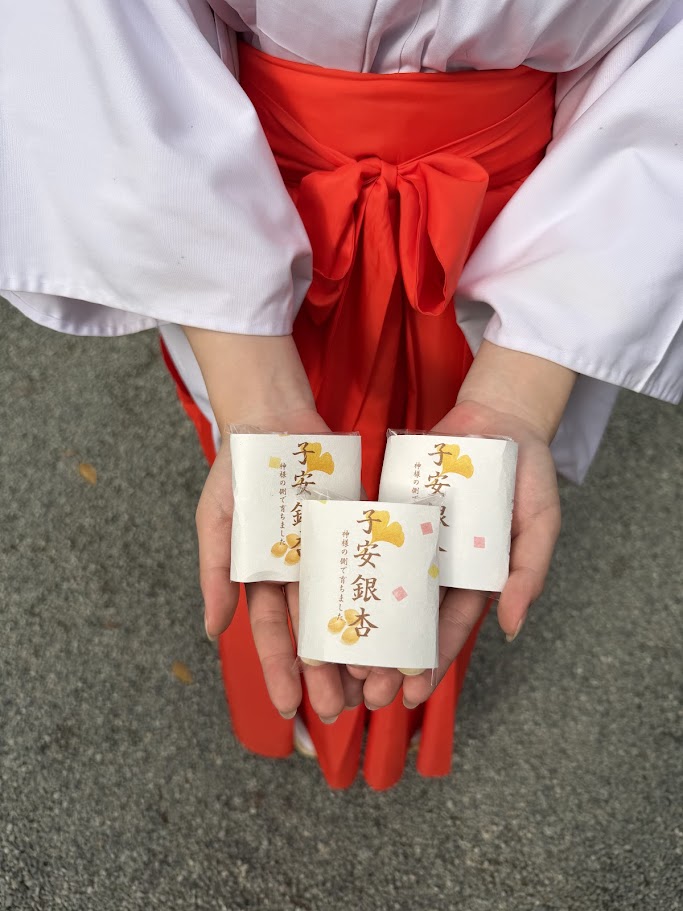
銀杏頒布

子安神社では、境内の大銀杏から採れた実を丁寧に下処理し「子安銀杏」として頒布しています。
銀杏は古くから子孫繁栄や安産を象徴する植物とされ、東京で安産祈願をされる方にも人気の授与品です。
採取から乾燥・選別まですべて神職と巫女の手作業。季節の恵みを、そのままお持ち帰りいただけます。
数に限りがございますので、参拝の際に社務所でお声がけください。

【English】
At Koyasu Shrine, we carefully prepare and offer “Koyasu Ginkgo,” made from the ginkgo nuts gathered from the sacred trees within the grounds.
Ginkgo has long been regarded in Japan as a symbol of safe childbirth and family prosperity, making it a meaningful item for visitors seeking blessings for childbirth in Tokyo.
All steps—from harvesting to washing, drying, and sorting—are done by shrine priests and shrine maidens by hand.
Limited quantities are available. Please inquire at the shrine office when you visit.

【Hashtags(日英)】

に投稿

厄除・厄年

厄年は、昔から人生の節目として意識されてきました。
特に体の変化が大きい年齢は、無理が出やすい時期として注意されてきました。

厄年は迷信ととらえられることもありますが、
“身体の節目を知り、無理をしないように心がけるための区切り”
と考えると、今の生活にも自然に当てはまります。

男性・女性ともに本厄とされる年齢がありますが、
人によって環境やタイミングはさまざまです。
ご自身の体調や生活の変化を振り返るきっかけとして受け止めていただければと思います。

次回は、子安神社での新年のご祈祷についてお話しします。


Yakudoshi, or “critical ages,” have long been regarded in Japan as important life milestones.
These ages were traditionally seen as times when the body and mind were more vulnerable,
and people were encouraged to be cautious and avoid unnecessary strain.

Although some may view yakudoshi as superstition,
it can also be understood as a practical reminder to pay attention to one’s health and changes in lifestyle.

Both men and women have ages considered to be yakudoshi,
but each person’s circumstances are different.
Thinking about your own physical condition and life changes can help you approach the new year with awareness and care.

In the next post, we will introduce how New Year prayers are conducted at Koyasu Shrine.

に投稿

納こんぴら祭を斎行しました(12月10日)

十二月十日、子安神社境内摂社・金刀比羅神社にて、納金刀比羅祭祭を斎行いたしました。
毎月十日が金刀比羅様のご縁日であり、その年最後の十日に行うお祭りが納金刀比羅祭です。

一年間、金刀比羅様のおかげをいただき、
災いや困難から守られたことへの感謝をお伝えし、
来る年が穏やかでありますようにと祈りを捧げました。

金刀比羅様は、海の神様として広く信仰され、
やがて火難除け・厄除け・開運の神として親しまれてきました。
八王子では特に、生活の安全を守る神様として多くの方々が参拝されます。

納めの祈りを終え、
次に迎えるのは年明けの初金刀比羅祭です。
金刀比羅様の福が新しい一年へと続いていきますよう、心よりお祈り申し上げます。

on December 10th, the annual closing festival of Kotohira Shrine, known as the Nō-Kotohira Festival, was held at the auxiliary Kotohira Shrine within the precincts of Koyasu Shrine.

The 10th day of each month is the sacred day of Kotohira-sama, and the final tenth day of the year is dedicated to offering gratitude for the blessings received throughout the past year.
We expressed our thanks for the protection given against misfortune and calamity, and prayed for peace and safety in the coming year.

Kotohira-sama is traditionally revered as the guardian deity of the sea, and over time has also come to be worshipped for protection from fire, for warding off misfortune, and for bringing good fortune.
In Hachioji, many visitors pray to Kotohira-sama as a deity who safeguards daily life.

With the closing festival complete, we now look forward to the Hatsu-Kotohira Festival in the New Year.
May the blessings of Kotohira-sama continue to guide and protect everyone in the year ahead.

に投稿

師走

12月に入り、境内の空気が少しずつ年越しの気配を帯びてきました。
一年の終わりは、家でも神社でも「整える」季節です。

日本では、年の初めに歳神様をお迎えしてきました。
歳神様は、その年の家を守り、力を授けてくださる存在とされます。
大掃除やしめ縄の準備は、歳神様を迎えるための大切な作法です。

12月に神社へお参りする方が多いのも、
新しい年をすっきり迎えたい、という思いからでしょう。
気持ちを整え、心のほこりを落とすような感覚でお参りいただければと思います。

年始は厄除けや家内安全のご祈祷が増えていきます。
次回は、厄年についての基本や、年末のご祈祷の流れをお話しします。


As December begins, the air in the shrine slowly takes on the feeling of the year’s close.
This season in Japan is a time to prepare and bring things back into order.

At the start of the new year, people welcome Toshigami, the deity believed to protect each household and grant strength for the year ahead.
Cleaning the home and preparing New Year decorations are important steps in making a place for this deity to visit.

Many people visit the shrine in December to clear their minds before the new year.
A quiet visit can help reset your thoughts and gently prepare you for the days ahead.

In the coming weeks, we will share information about year-end prayers, including yakuyoke and other blessings for the new year.