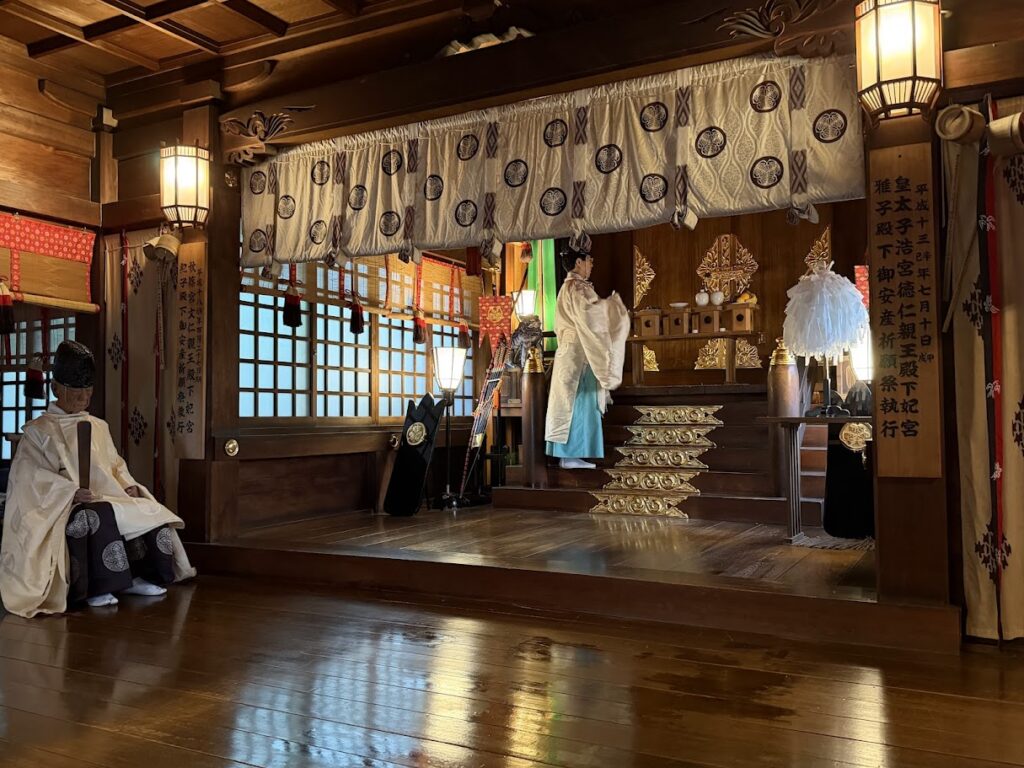
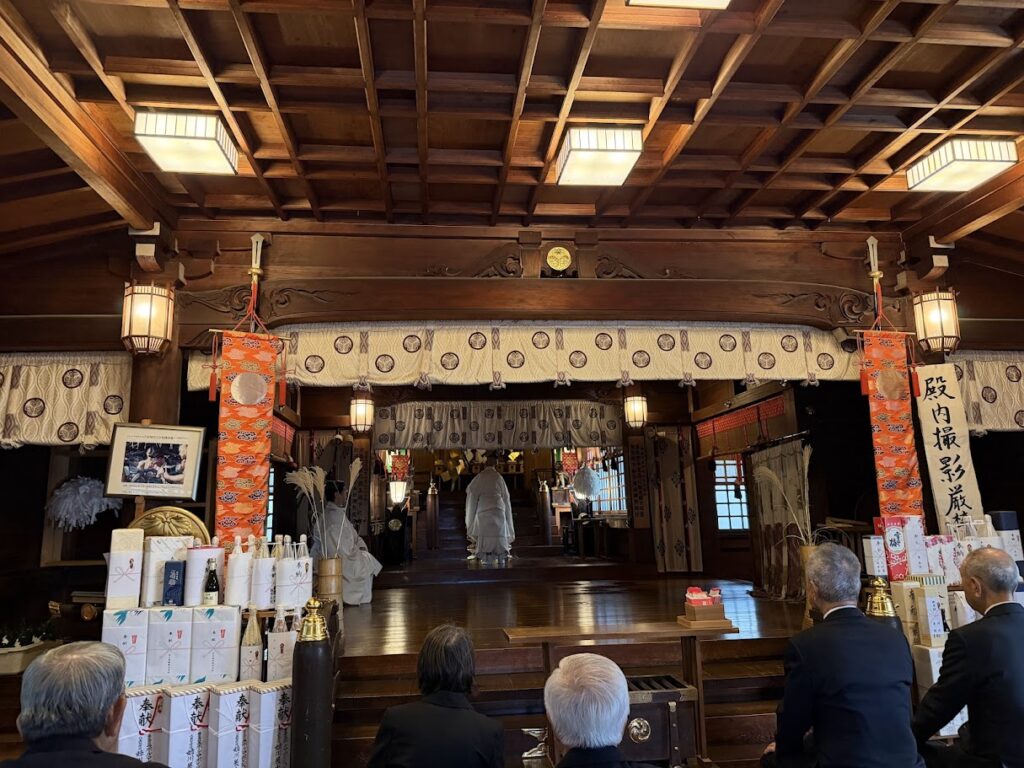
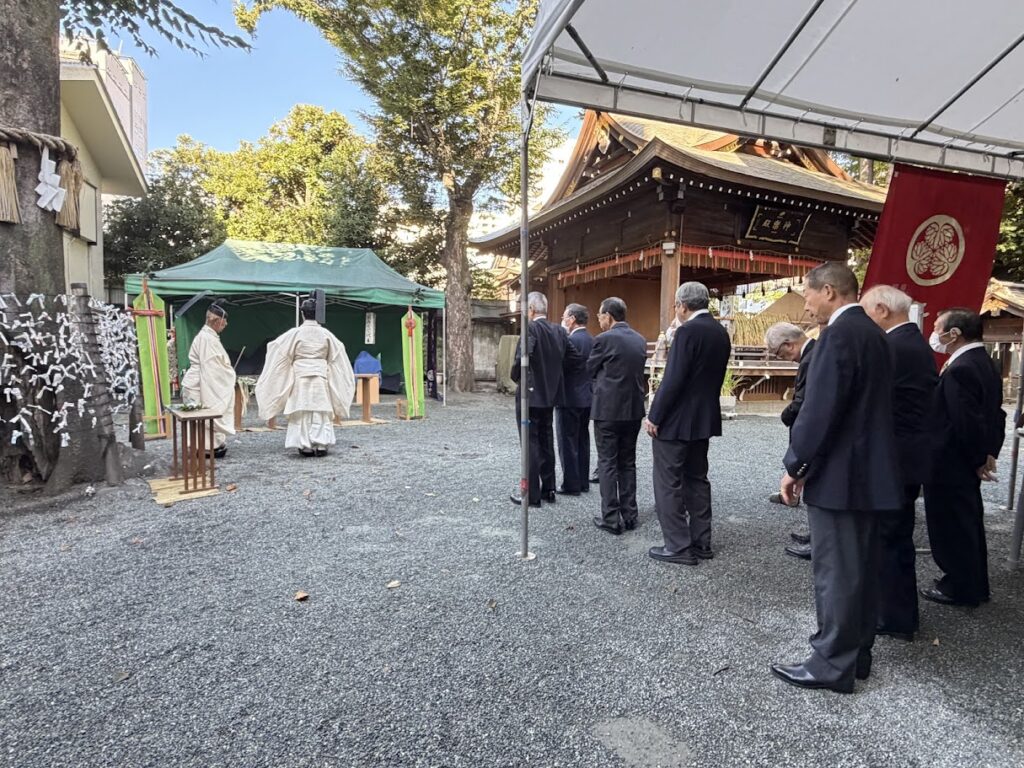
On November 1st, Koyasu Jinja in Hachioji, Tokyo, held the monthly Tsukinami-sai. This ceremony, conducted on the 1st and 10th of every month, is a time to offer gratitude for daily blessings and to pray for the peace of the nation and the well-being of all visitors.
The morning air was crisp and filled with quiet light as autumn leaves began to turn. With hearts full of gratitude for the year’s harvest, prayers were offered for safety, harmony, and a peaceful month ahead.
November is a season rich with traditional Shinto rituals such as Shichi-Go-San, Meiji-sai, and Niiname-sai. Through these sacred observances, we renew our sense of gratitude and our bond with the divine.
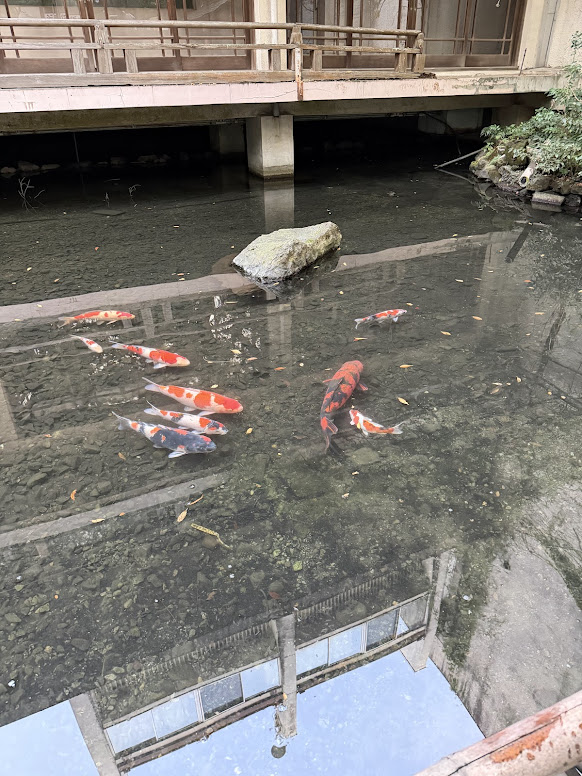
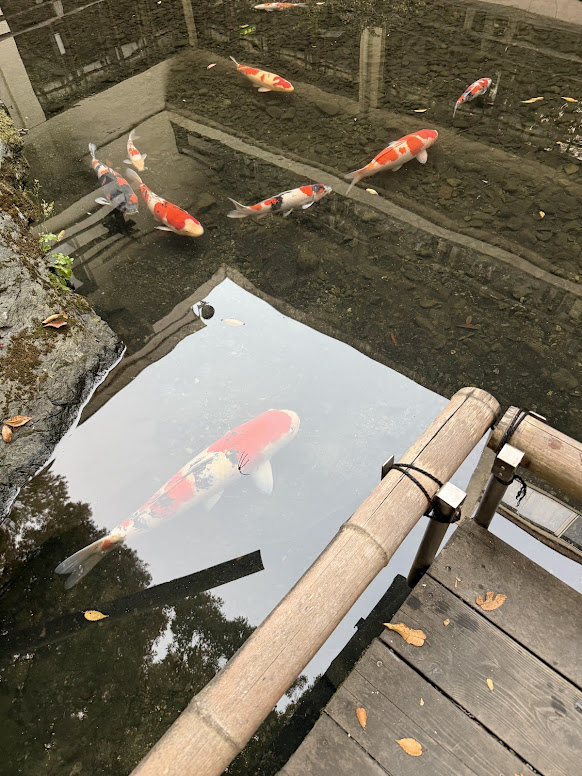
New koi have arrived at the pond in Koyasu Shrine, Hachioji.
Among them are some beautiful and large koi, about 80 cm long. They are now adjusting to their new environment, so we kindly ask visitors not to feed them for the next few days. Please enjoy watching them peacefully swim in the tranquil waters of our Japanese garden.
Koi fish are symbols of good fortune, perseverance, and longevity in Japanese culture. Their graceful presence adds calmness and beauty to the sacred grounds of the shrine. When you visit for prayers—whether for safe childbirth, blessings, or seasonal festivals— we invite you to take a moment by the pond and feel the serenity it offers.
About the 13th Night (Jūsanya) – The Later Moon in 2025
Koyasu Shrine in Hachioji, Tokyo, is widely known as a shrine dedicated to safe childbirth and child-rearing. Many people visit for safe delivery prayers in Tokyo, making it one of the most trusted Tokyo shrines for safe childbirth.
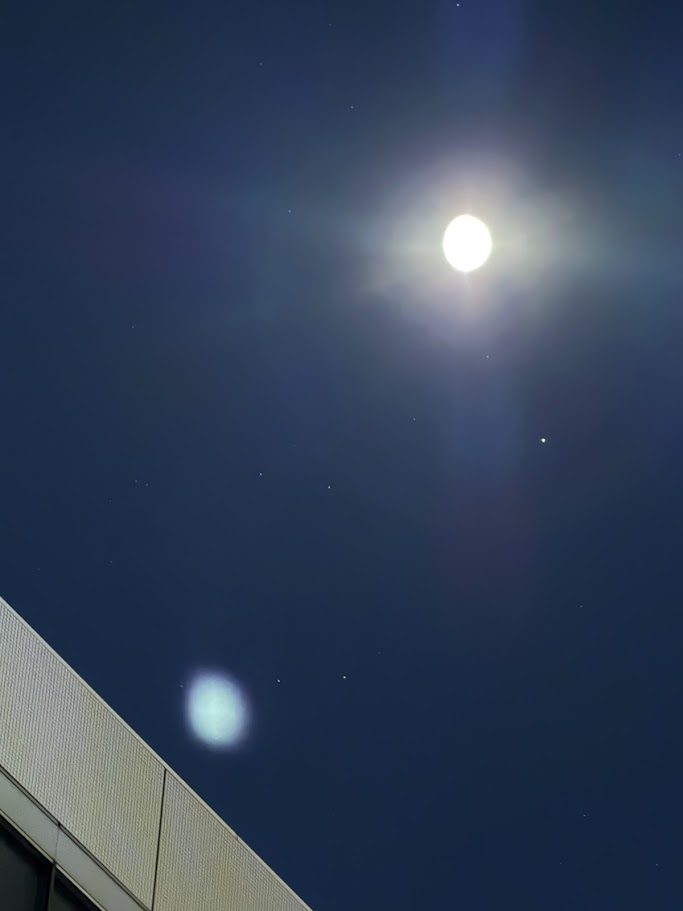
Alongside the famous 15th Night (Jūgoya), Japan has its own unique moon-viewing tradition called the 13th Night (Jūsanya). In 2025, it falls on Sunday, November 2.
The Later Moon
Unlike the full moon of Jūgoya, Jūsanya features a slightly waning moon, known as the “Later Moon.” Its softer light has long resonated with Japanese aesthetics and cultural sensibilities.
Chestnut Moon & Bean Moon
Jūsanya is also known as the “Chestnut Moon” or “Bean Moon” because of the custom of offering chestnuts and beans. These offerings express gratitude for the harvest and wishes for family health.
At Koyasu Shrine, chestnuts and beans are included in the offerings, reflecting the autumn season’s bounty.
Double Moon Viewing
Viewing both Jūgoya and Jūsanya is called “Double Moon Viewing”, considered highly auspicious. Watching only one was called “Katami-zuki” (one-sided moon viewing) and thought to bring misfortune.
By honoring both nights, people expressed a more complete form of gratitude and prayer.
Jūsanya in 2025
In 2025, Jūsanya falls on November 2 (Sunday). Under the soft autumn moonlight, offering chestnuts and beans is a beautiful way to connect with Japan’s seasonal traditions and give thanks for life’s blessings.
Meiji-sai: A Day of Gratitude on Japan’s Culture Day
At Koyasu Shrine in Hachioji, Tokyo, the Meiji-sai (Festival of Emperor Meiji) is held every year on November 3. Koyasu Shrine is widely known as a shrine dedicated to prayers for safe childbirth and childrearing, and on this day, prayers are offered for peace in the nation and happiness within families.
The Meiji-sai is a festival held in remembrance of Emperor Meiji, who laid the foundation for modern Japan. November 3, the Emperor’s birthday (tanshin), is now celebrated as Culture Day, originally established to commemorate the day of his birth.
On this day, a solemn Chusai (middle-level festival) is performed, with Shinto priests offering prayers accompanied by carefully prepared shinsen (sacred offerings) such as foods from the mountains and sea and seasonal fruits. Each offering expresses gratitude to Emperor Meiji and prayers for peace and prosperity throughout Japan.
Across Japan, many shrines also hold the Meiji-sai on the same day, offering thanks for the Emperor’s virtue and prayers for the nation’s peace and people’s happiness.
At Koyasu Shrine, which has long been known for its prayers for safe childbirth and healthy childrearing, we quietly offer prayers for the peaceful and healthy days of families welcoming new life.
As we celebrate Culture Day, may this be a time to reflect with gratitude on Japan’s history and to give thanks for the peaceful days we enjoy.
(Photos and details of the ceremony will be shared in a later post.)
Today, October 17, the Kannamesai Tojitsusai is being held at Ise Jingu. In harmony with this, Koyasu Shrine in Hachioji also conducted the Shimmeisai, offering gratitude to Amaterasu Omikami enshrined in the auxiliary hall.
During the ceremony, a Shingu Yōhai (prayer toward Ise Jingu) was performed, joining hearts with Ise to give thanks for the year’s harvest. This sacred day is dedicated to prayers for family happiness, safe childbirth, and child-rearing. From Hachioji, Koyasu Shrine offers heartfelt devotion as a “Tokyo Anzan” shrine in unity with Ise Jingu.
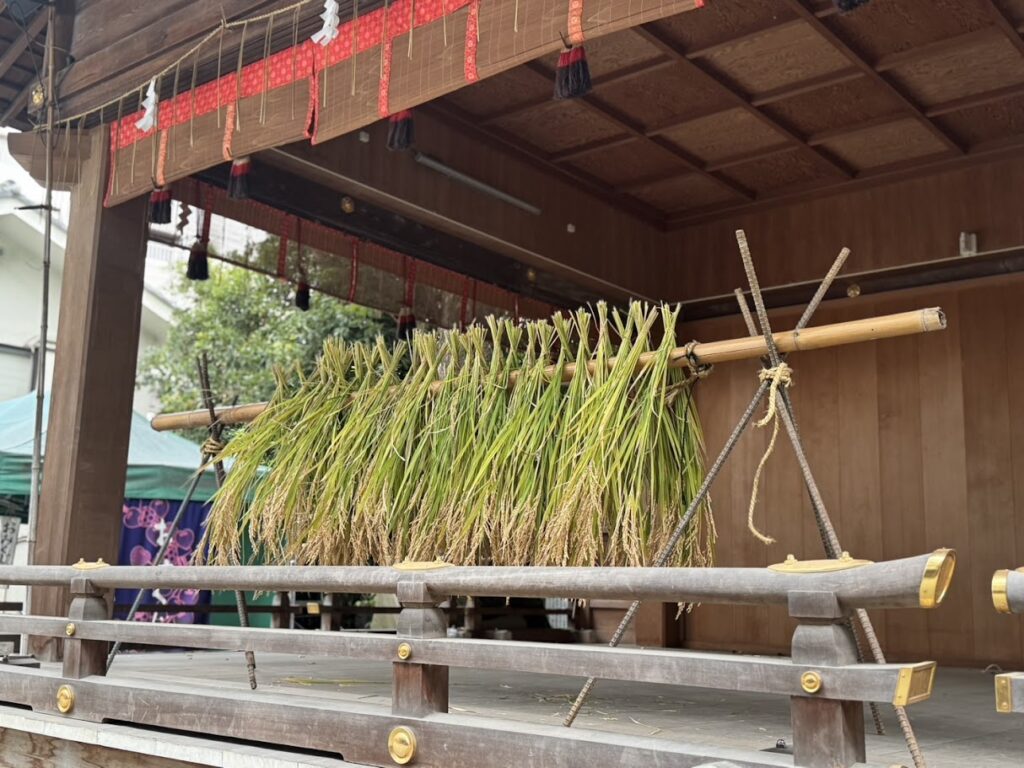
At Koyasu Shrine in Hachioji, Tokyo, the rice harvested during the Nuihosai (Rice Harvest Festival) is now being sun-dried at the Kagura Hall.
Each bundle has been carefully tied by the hands of the Shinto priests, and the golden ears of rice glisten beautifully under the autumn sunlight. This serene scene reflects deep gratitude for the year’s rich harvest and blessings of nature.
After fully drying, the rice will be divided into Ara-shine (unhulled rice) and Nigo-shine (polished rice), to be offered as sacred food (shinsen) at the Niiname-sai on November 23 and the Kinen-sai in the following year.
From planting in spring to harvesting in autumn, every step is carried out with reverence and gratitude. Koyasu Shrine, known in Tokyo as a sacred place for prayers of safe childbirth and child-rearing, continues to honor the “connection of life” through its seasonal rice rituals.
At Koyasu Shrine in Hachioji, Tokyo, the Nuihosai (Rice Harvest Festival) was held today in the sacred rice field. This ceremony expresses gratitude to the deities for the successful growth of the rice planted during the Otaue-sai (Rice Planting Festival) in spring.
The harvested rice, called Ara-shine (unhulled rice), is sun-dried at the Kagura Hall. Part of it will later be polished to become Nigo-shine (white rice) and offered before the deities.
Every day, Nigo-shine is offered as raw polished rice in the daily ritual (Nikko). However, during the Niiname-sai on November 23, both Ara-shine—symbolizing the harvest itself—and Nigo-shine—representing purity—are presented to express gratitude for the year’s blessings and the gift of life.
From planting in spring to harvesting in autumn, the rice rituals at Koyasu Shrine embody the harmony between nature’s blessings and human prayer. As a shrine dedicated to safe childbirth and child-rearing, Koyasu Shrine continues to pass down a deep sense of gratitude for the “connection of life.”
About Kannamesai and the Shimmeisai at Koyasu Shrine
Koyasu Shrine, located in Hachioji, Tokyo, is widely known as a sacred place for prayers of safe childbirth and child-rearing. For generations, it has been cherished as a “Tokyo Anzan” (safe childbirth) shrine, where many people come to offer prayers for family happiness and well-being at life’s milestones.
On October 17, the Kannamesai is held at Ise Jingu. This is one of the most important ceremonies of the shrine, where the year’s first harvest of rice and grains is offered to Amaterasu Omikami, expressing gratitude for the bounty and praying for peace and prosperity.
Especially on October 17, the central ritual known as the Kannamesai Tojitsusai takes place at Ise Jingu. On the very same day, Koyasu Shrine also celebrates the Shimmeisai, offering thanks to Amaterasu Omikami, who is enshrined in the shrine’s auxiliary hall. It is a sacred festival where prayers at Koyasu Shrine resonate with those at Ise Jingu.
Kannamesai is the first offering of the new harvest to the deity, and it is directly connected to the Niinamesai (November 23), the nationwide harvest festival conducted by the Emperor. In other words, Kannamesai comes first, and Niinamesai follows as the prayers spread throughout the land.
Through the Shimmeisai, held on the same day as Kannamesai, visitors to Koyasu Shrine can experience the spirit of Japan’s ancient prayers right here in Hachioji, Tokyo.
On October 17, why not join your heart with Ise Jingu and Koyasu Shrine, and offer prayers of gratitude for the harvest and blessings for your family’s happiness?
Kotohira Shrine Monthly Festival — Prayers for Protection and Good Fortune (Koyasu Shrine, Tokyo)
Today, the monthly festival (Tsukinami-sai) of Kotohira Shrine was held within the precincts of Koyasu Shrine in Hachioji, Tokyo, widely known as one of the Tokyo shrines for safe childbirth and childrearing.
Kotohira-sama, originally the guardian deity of the sea, is now revered as a divine protector who removes misfortune and brings good fortune. Located on the southwest side of the grounds, this shrine has long stood as a guardian against calamities such as fire, supporting the prayers for new life offered to Koyasu Shrine’s main deity, Konohanasakuya-hime.
May the blessings of both deities protect all who visit, bringing safety, good health, and peace to every family.