に投稿

七五三の由来

東京都八王子にある子安神社では、秋の深まりとともに七五三詣の季節を迎えます。


七五三は、子どもの健やかな成長を神様に感謝し、これからの幸せを祈る日本の伝統行事です。
古くは平安時代の宮中行事に由来し、江戸時代になると庶民にも広まり、現在の形が定着しました。

三歳は「髪置(かみおき)」と呼ばれ、髪を伸ばし始める節目、
五歳は「袴着(はかまぎ)」、初めて袴を着ける成長の印、
七歳は「帯解(おびとき)」といい、子ども用の帯から大人の帯へと替える儀式です。
それぞれの年齢に、無事に育った感謝と、これからの健康を祈る心が込められています。

なぜ11月15日なのかというと、江戸時代に五代将軍・徳川綱吉が子の健康を祈願した日がこの日にあたり、
その後、全国に広まったといわれています。
霜月(しもつき)は実りの季節であり、古来より神々への感謝を捧げる月でもあります。

安産・子育ての神様として知られる子安神社でも、
この季節、多くのご家族が感謝と祈りを胸にご参拝されます。
子どもの笑顔とともに、家族の絆を深める大切な一日となるでしょう。


The Origin of Shichi-Go-San

At Koyasu Shrine in Hachioji, Tokyo, the season of Shichi-Go-San—the traditional celebration for children’s growth—arrives with the deep colors of autumn.
This ancient custom expresses gratitude for a child’s healthy growth and prayers for their continued happiness.

The origins of Shichi-Go-San date back to the Heian period as a court ceremony and later spread among the people during the Edo period.
Each age carries its own meaning:
age three for Kamioki (allowing the child’s hair to grow),
age five for Hakamagi (putting on a hakama for the first time),
and age seven for Obitoki (changing from a child’s sash to an adult’s belt).
Through these rites, families give thanks and pray for health and protection.

November 15 became the traditional day after Tokugawa Tsunayoshi, the fifth shogun, prayed for his child’s health on that date.
In Japan, November—the month of harvest—has long been considered a sacred time to offer gratitude to the gods.

Known as a shrine dedicated to safe childbirth and child-rearing,
Koyasu Shrine welcomes many families who come to give thanks and offer prayers.
It is a day filled with smiles, gratitude, and the warmth of family bonds.

に投稿

明治祭が斎行されました

東京の安産祈願 子安神社

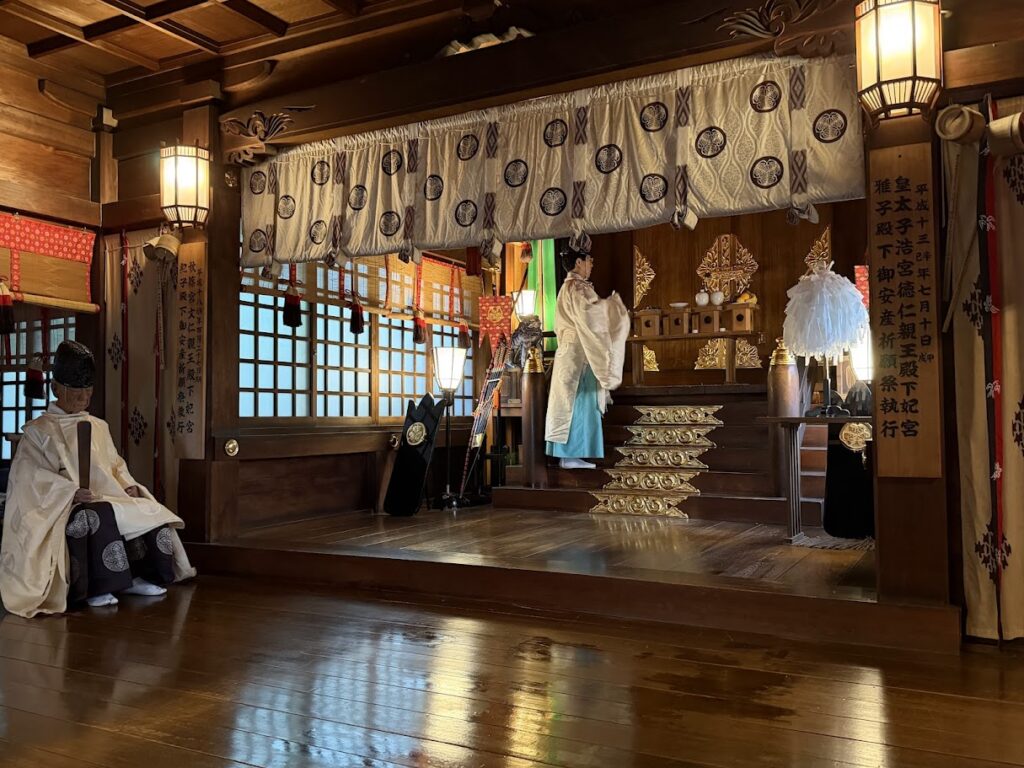
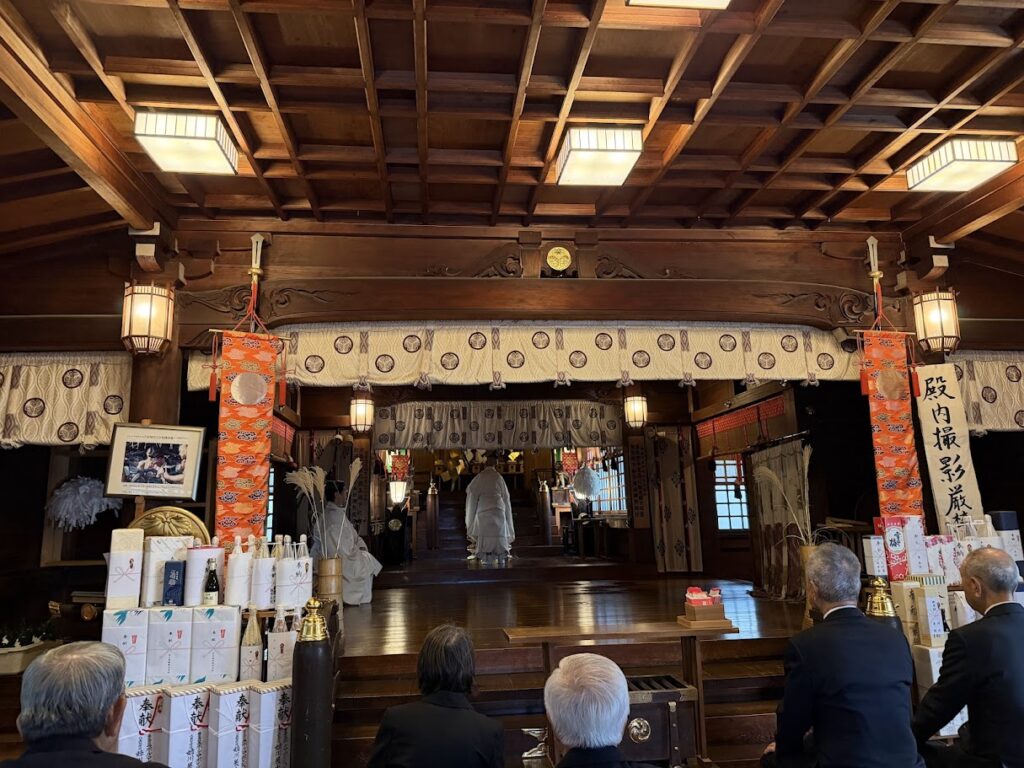
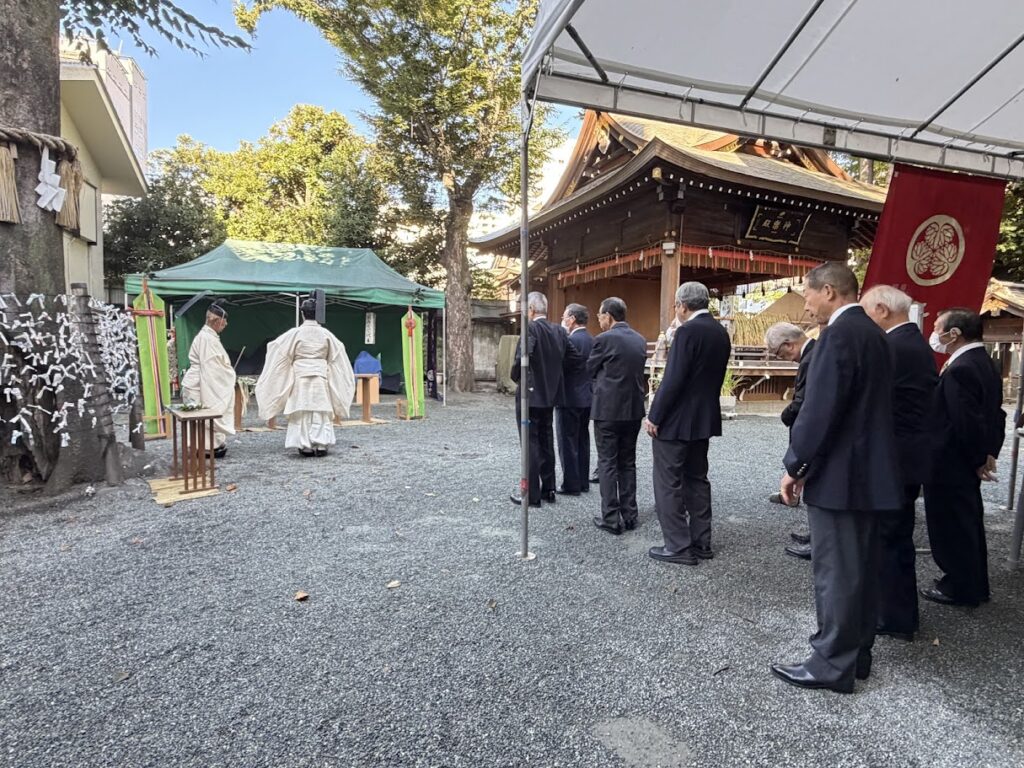
11月3日、子安神社にて明治祭(めいじさい)が斎行されました。
この日は明治天皇の誕辰(たんしん)にあたり、文化の日として広く親しまれています。
全国の神社とともに、子安神社でも明治天皇の御聖徳に感謝を捧げ、
国の平和と人々の幸せを祈る祭典が厳かに執り行われました。

祭典は中祭(ちゅうさい)として朝に斎行され、
神職・巫女による奉仕のもと、山海の幸、果物、野菜などの神饌(しんせん/お供え物)が丁寧にお供えされました。
玉串が奉られ、参列者も静かに頭を垂れて祈りを合わせました。

明治天皇が示された「国を思い、人を思う心」は、
現代に生きる私たちが大切にすべき祈りの原点でもあります。
子安神社では、安産や子育ての祈りを守り伝える神社として、
新しい命を迎えるご家族の健やかな日々を願い、
この明治祭を通じて平和への祈りを新たにいたしました。

文化の日を迎えたこの日、
多くの方が日本の歩みと日々の安らぎに感謝を寄せられました。
ご参拝くださいました皆さまに、心より御礼申し上げます。


Meiji-sai was solemnly held at Koyasu Shrine, Tokyo

On November 3, the Meiji-sai (Festival of Emperor Meiji) was solemnly conducted at Koyasu Shrine in Hachioji, Tokyo.
This day marks the tanshin (birthday) of Emperor Meiji and is widely known as Japan’s Culture Day.
Together with shrines throughout the country, Koyasu Shrine offered sincere gratitude for the virtues of Emperor Meiji,
and prayers were made for peace in the nation and the happiness of all people.

The ceremony was held in the morning as a Chusai (middle-level festival).
Under the service of Shinto priests and shrine maidens, offerings of foods from the mountains and sea,
seasonal fruits, and vegetables were reverently prepared as shinsen (sacred offerings).
Sacred branches were presented, and all participants quietly bowed their heads in prayer.

The spirit of “caring for the nation and caring for others,” as exemplified by Emperor Meiji,
remains a guiding heart for people living today.
As a shrine dedicated to prayers for safe childbirth and childrearing,
Koyasu Shrine renewed its prayers for peace and for the healthy, blessed days of families welcoming new life.

On this Culture Day,
many visitors expressed gratitude for Japan’s history and for the peace of daily life.
We sincerely thank everyone who came to worship with us.

に投稿

2025年11月2日は十三夜(栗名月・豆名月)です

本日、**2025年11月2日(日)**は十三夜、「栗名月」「豆名月」とも呼ばれるお月見の日です。
十五夜に続く「後の月(のちのつき)」を鑑賞し、栗や豆をお供えして秋の実りに感謝します。

十五夜と十三夜の両方をお月見することを「二夜の月見」といい、縁起が良いとされてきました。
ぜひ今夜は空を見上げて、やわらかな月明かりに祈りを捧げてみてはいかがでしょうか。


Today, November 2, 2025, is the 13th Night (Jūsanya)

Today, Sunday, November 2, 2025, is the 13th Night, also known as the “Chestnut Moon” or “Bean Moon.”
This Japanese moon-viewing tradition follows the Harvest Moon, with offerings of chestnuts and beans to give thanks for the season’s blessings.

Viewing both the 15th and 13th Nights is called “Double Moon Viewing”, considered very auspicious.
Tonight, take a moment to enjoy the gentle moonlight and reflect on gratitude and well-being.

に投稿

霜月のはじまり ― 子安神社の月次祭(つきなみさい)

11月1日、子安神社(東京都八王子市)では月次祭(つきなみさい)が斎行されました。
子安神社の月次祭は、毎月1日と10日におこなわれる祭典で、日々の恵みに感謝し、国の安泰、そして参拝者の健康と幸せを祈る大切な儀式です。

朝の境内は清々しい冷気に包まれ、紅葉が少しずつ進む中、神職による祝詞が静かに響きました。
秋の実りとともに、この一年の無事を神さまに感謝し、新たな月のはじまりを祈念いたしました。

11月は七五三詣や明治祭、新嘗祭など、祈りの続く月です。
古くから続く日本のまつりの心――「感謝」「祈り」「つながり」を感じながら、どうぞ穏やかな霜月をお迎えください。

皆さまのご家庭に、清らかな光が届きますように。


Tsukinami-sai at Koyasu Jinja – November 1st

On November 1st, Koyasu Jinja in Hachioji, Tokyo, held the monthly Tsukinami-sai.
This ceremony, conducted on the 1st and 10th of every month, is a time to offer gratitude for daily blessings and to pray for the peace of the nation and the well-being of all visitors.

The morning air was crisp and filled with quiet light as autumn leaves began to turn.
With hearts full of gratitude for the year’s harvest, prayers were offered for safety, harmony, and a peaceful month ahead.

November is a season rich with traditional Shinto rituals such as Shichi-Go-San, Meiji-sai, and Niiname-sai.
Through these sacred observances, we renew our sense of gratitude and our bond with the divine.

May this month bring calm and blessings to all.

に投稿

池に新しい鯉が仲間入りしました

(東京八王子 子安神社)

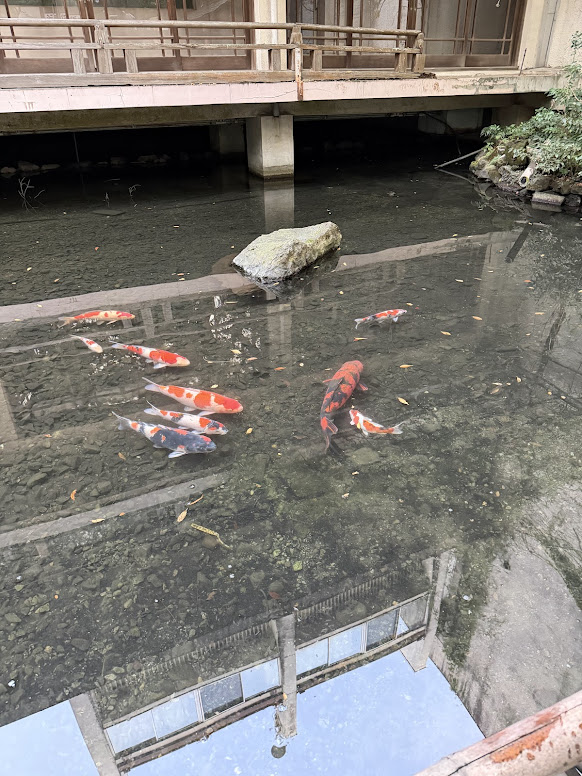
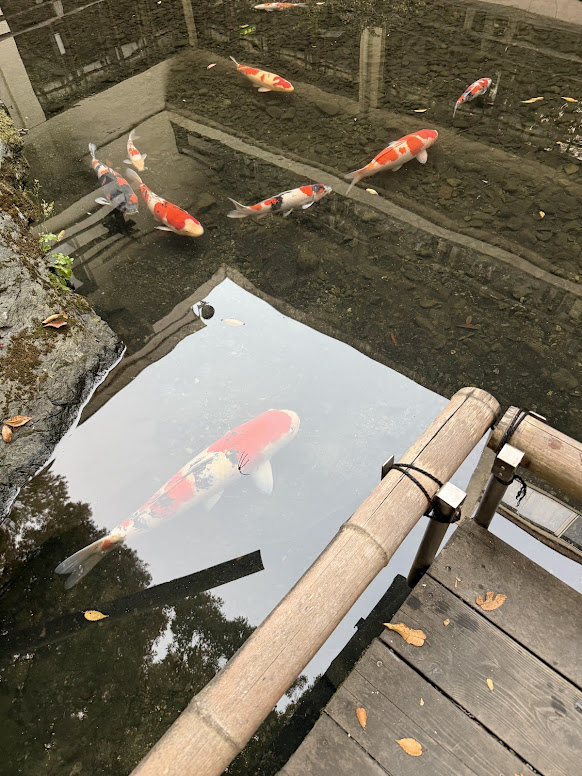
子安神社の境内にある池に、このたび新しい鯉たちが仲間入りしました。
白や朱、金色など、色とりどりの鯉がゆったりと泳ぐ姿はとても優雅で、
中には80センチほどの立派な鯉もいます。

鯉は古くから「立身出世」「長寿」「幸運」を象徴する縁起の良い生き物とされ、
境内に訪れる方々にも安らぎと力を与えてくれます。
新しい鯉たちは、まだ環境に慣れる時期のため、
今後4〜5日ほどはエサやりを控えていただけると助かります。
どうぞ静かに見守りながら、その美しい姿をお楽しみください。

八王子の自然豊かな神社として、
子安神社の池は四季を通してさまざまな表情を見せてくれます。
春には桜が水面を彩り、夏は青葉に包まれ、秋は紅葉が映え、
冬は澄んだ空気の中で鯉がゆっくりと泳ぐ姿が見られます。

安産祈願や初宮詣、七五三でお参りの際には、
ぜひ池のほとりにも足をお運びください。
新しい命を包み込むような穏やかな景色が、
きっと心をやわらげてくれることでしょう。


New koi have arrived at the pond in Koyasu Shrine, Hachioji.


Among them are some beautiful and large koi, about 80 cm long.
They are now adjusting to their new environment,
so we kindly ask visitors not to feed them for the next few days.
Please enjoy watching them peacefully swim in the tranquil waters of our Japanese garden.

Koi fish are symbols of good fortune, perseverance, and longevity in Japanese culture.
Their graceful presence adds calmness and beauty to the sacred grounds of the shrine.
When you visit for prayers—whether for safe childbirth, blessings, or seasonal festivals—
we invite you to take a moment by the pond and feel the serenity it offers.

に投稿

十三夜(栗名月・豆名月)とは?|令和7年の日程とお供えの意味

東京都八王子にある子安神社は、安産・子育ての神様をお祀りする神社として広く知られています。東京で安産祈願をお考えの方にも多く参拝いただいており、「東京安産」の神社として信仰を集めています。

十五夜(中秋の名月)と並んで、もうひとつ大切にされてきたお月見が「十三夜」です。十三夜は旧暦の9月13日にあたり、**令和7年は11月2日(日)**がその日にあたります。

十三夜とは

十三夜は、日本独自に発展した月見の風習で、「後の月(のちのつき)」とも呼ばれます。十五夜の満月とは異なり、少し欠けた月を愛でる行事です。そのやわらかな光が日本人の美意識に合い、古来から親しまれてきました。

栗名月・豆名月

十三夜には、栗や枝豆を供える習慣があり、「栗名月」「豆名月」とも呼ばれます。秋の実りを象徴するこれらのお供えには、収穫への感謝と家族の健やかな暮らしを願う意味が込められています。

子安神社でも、十三夜には栗や豆を取り入れたお供えを大切にしています。十五夜の芋名月とはまた異なる、秋らしい風情を感じられる日です。

二夜の月見と片見月

十五夜と十三夜の両方を月見することを「二夜の月見」といい、縁起が良いとされてきました。逆に、どちらか一方しか見ないことを「片見月」と呼び、忌み嫌われたほどです。

十五夜と十三夜の両方を愛でることで、より完全な祈りと感謝の形になると考えられてきたのです。

令和7年の十三夜

令和7年の十三夜は11月2日(日)。秋が深まるこの季節、やわらかな月明かりの下で、栗や豆を供えながら季節の恵みに感謝してみてはいかがでしょうか。


About the 13th Night (Jūsanya) – The Later Moon in 2025

Koyasu Shrine in Hachioji, Tokyo, is widely known as a shrine dedicated to safe childbirth and child-rearing. Many people visit for safe delivery prayers in Tokyo, making it one of the most trusted Tokyo shrines for safe childbirth.

Alongside the famous 15th Night (Jūgoya), Japan has its own unique moon-viewing tradition called the 13th Night (Jūsanya). In 2025, it falls on Sunday, November 2.

The Later Moon

Unlike the full moon of Jūgoya, Jūsanya features a slightly waning moon, known as the “Later Moon.” Its softer light has long resonated with Japanese aesthetics and cultural sensibilities.

Chestnut Moon & Bean Moon

Jūsanya is also known as the “Chestnut Moon” or “Bean Moon” because of the custom of offering chestnuts and beans. These offerings express gratitude for the harvest and wishes for family health.

At Koyasu Shrine, chestnuts and beans are included in the offerings, reflecting the autumn season’s bounty.

Double Moon Viewing

Viewing both Jūgoya and Jūsanya is called “Double Moon Viewing”, considered highly auspicious. Watching only one was called “Katami-zuki” (one-sided moon viewing) and thought to bring misfortune.

By honoring both nights, people expressed a more complete form of gratitude and prayer.

Jūsanya in 2025

In 2025, Jūsanya falls on November 2 (Sunday). Under the soft autumn moonlight, offering chestnuts and beans is a beautiful way to connect with Japan’s seasonal traditions and give thanks for life’s blessings.

に投稿

明治祭とは?文化の日に込められた祈り

東京の安産祈願 子安神社

東京都八王子にある子安神社では、毎年11月3日に「明治祭(めいじさい)」が斎行されます。
子安神社は、安産・子育ての神様をお祀りする東京の神社として広く知られており、
この日も日々の感謝とともに、国の平和とご家族の幸せを祈る祭典が執り行われます。

明治祭は、近代日本の礎を築かれた明治天皇のご聖徳をしのび、
国の発展と人々の繁栄に感謝を捧げる祭りです。
明治天皇の誕辰(たんしん)である11月3日は、現在「文化の日」として知られていますが、
もともとは明治天皇のお生まれになった日を記念して定められた祝日です。

当日は、中祭(ちゅうさい)として厳粛に祭典が執り行われ、
神職の丁寧な奉仕とともに、山海の幸や果物など、豊かな神饌(しんせん/お供え物)が整えられました。
これらの神饌には、明治天皇の御聖徳に感謝し、国の繁栄と人々の安寧を祈る心が込められています。

全国の神社でも同日に明治祭が執り行われ、
明治天皇の御聖徳に感謝し、国の安泰と人々の幸せを祈ります。

子安神社では、安産や子育ての祈りを守り伝える神社として、
新しい命を迎えるご家族の健やかな日々を願い、静かに祈りを捧げています。

文化の日を迎えるこの季節、
どうぞ日本の歩みと日々の平安に感謝を新たにしてお過ごしください。

(※11月3日当日の祭典の様子は、別の記事でご紹介いたします。)


Meiji-sai: A Day of Gratitude on Japan’s Culture Day

At Koyasu Shrine in Hachioji, Tokyo, the Meiji-sai (Festival of Emperor Meiji) is held every year on November 3.
Koyasu Shrine is widely known as a shrine dedicated to prayers for safe childbirth and childrearing,
and on this day, prayers are offered for peace in the nation and happiness within families.

The Meiji-sai is a festival held in remembrance of Emperor Meiji,
who laid the foundation for modern Japan.
November 3, the Emperor’s birthday (tanshin), is now celebrated as Culture Day,
originally established to commemorate the day of his birth.

On this day, a solemn Chusai (middle-level festival) is performed,
with Shinto priests offering prayers accompanied by carefully prepared shinsen (sacred offerings)
such as foods from the mountains and sea and seasonal fruits.
Each offering expresses gratitude to Emperor Meiji and prayers for peace and prosperity throughout Japan.

Across Japan, many shrines also hold the Meiji-sai on the same day,
offering thanks for the Emperor’s virtue and prayers for the nation’s peace and people’s happiness.

At Koyasu Shrine, which has long been known for its prayers for safe childbirth and healthy childrearing,
we quietly offer prayers for the peaceful and healthy days of families welcoming new life.

As we celebrate Culture Day,
may this be a time to reflect with gratitude on Japan’s history and to give thanks for the peaceful days we enjoy.

(Photos and details of the ceremony will be shared in a later post.)

に投稿

本日、令和7年10月20日(月曜)は「戌の日」

戌の日は、犬が安産の象徴とされてきたことから、妊娠五か月目の妊婦さんが腹帯(岩田帯)を締めて安産祈願を行う大切な日です。
子安神社は「東京安産」の神社として古くから信仰を集め、戌の日にはたくさんのご家族がご参拝に訪れます。

戌の日 安産祈願受付時間

  • 午前9:00~午後3:00

ご都合に合わせて随時お申し込みいただけます。

戌の日の混雑目安

  • 一番混雑する時間帯:11時前後(ご祈祷後にお食事へ行かれる方が多いため)
  • 次に混雑する時間帯:朝9時ごろ(「朝一で済ませたい」という方が集中)
  • 比較的空いている時間帯:午後は全体的にゆったりとご参拝いただけます

混雑を避けたい方は午後のご参拝がおすすめです。

本日も安産祈願のご祈祷を承っております。どうぞ安心してお参りください。

(English)
Today, October 20, 2025, is Inu no Hi (Day of the Dog).
At Koyasu Shrine in Hachioji, Tokyo, safe childbirth prayers are available.

Prayer reception hours: 9:00 am – 3:00 pm
Crowd forecast: busiest around 11:00 am, next busiest around 9:00 am, while afternoon is usually quiet.

に投稿

神明祭を執り行いました

本日10月17日、伊勢神宮では神嘗祭当日祭が斎行されています。
これにあわせて、八王子の子安神社でも相殿に祀られる天照大御神に感謝をささげる「神明祭」を執り行いました。

祭典では、伊勢の天照大御神を遙かに拝む「神宮遥拝」も行われ、伊勢と心をひとつにして一年の収穫に感謝申し上げました。
ご家族の幸せと安産子育てのご守護を祈る大切な日、東京安産の子安神社からも心を合わせて奉告いたしました。


Shimmeisai at Koyasu Shrine (October 17)

Today, October 17, the Kannamesai Tojitsusai is being held at Ise Jingu.
In harmony with this, Koyasu Shrine in Hachioji also conducted the Shimmeisai, offering gratitude to Amaterasu Omikami enshrined in the auxiliary hall.

During the ceremony, a Shingu Yōhai (prayer toward Ise Jingu) was performed, joining hearts with Ise to give thanks for the year’s harvest.
This sacred day is dedicated to prayers for family happiness, safe childbirth, and child-rearing.
From Hachioji, Koyasu Shrine offers heartfelt devotion as a “Tokyo Anzan” shrine in unity with Ise Jingu.

に投稿

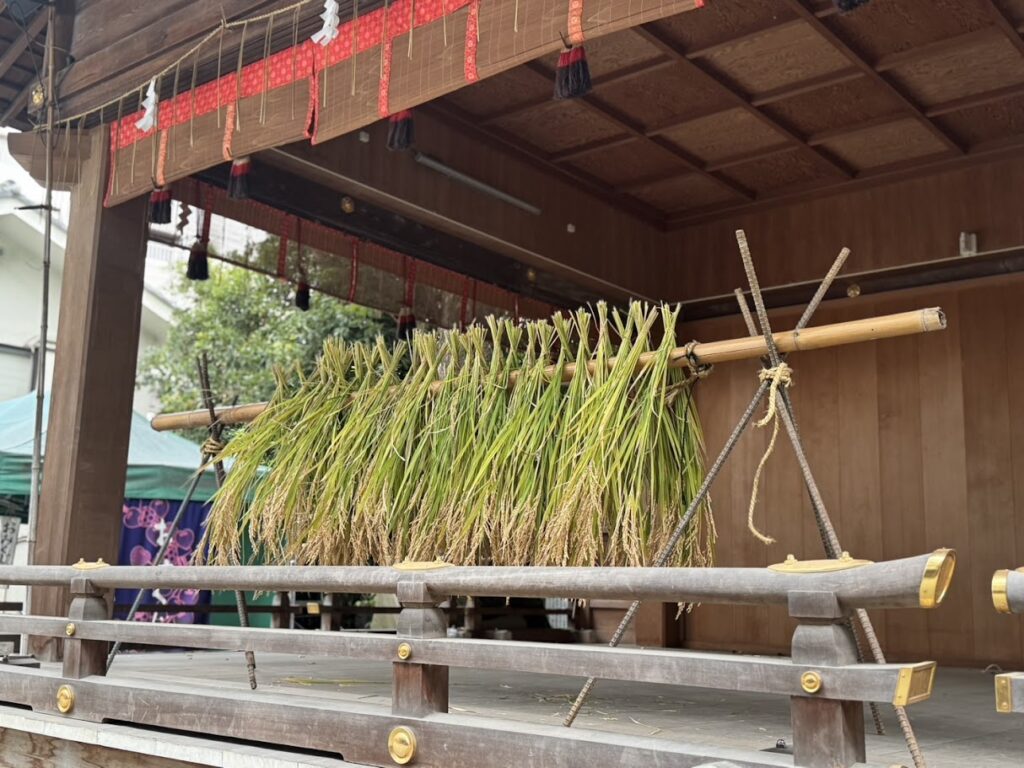
【神楽殿で稲を干しています】

東京都八王子の子安神社では、先日執り行われた抜穂祭(ぬいぼさい)で刈り取った稲を、
現在、神楽殿で天日干ししています。

刈り取られた稲は、神職の手で一束ずつ丁寧にまとめられ、
秋の陽ざしを受けて黄金色に輝いています。
その穂の並ぶ様子は、豊かな実りと感謝の心を感じさせる美しい光景です。

この稲は十分に乾燥させたのち、「荒稲(あらしね)」と「和稲(にごしね)」に分け、
11月23日の新嘗祭(にいなめさい)や翌年の祈年祭(きねんさい)の神饌としてお供えいたします。

春の田植えから秋の収穫、そしてこうした後の工程まで、
神様への感謝とともに一つひとつの過程を大切にしています。
安産・子育ての神様をお祀りする東京・八王子の子安神社は、
「東京安産」の祈りを守り伝える神社として、
四季を通じた稲作の神事を通して「いのちのつながり」への感謝を伝えています。


【Rice drying at the Kagura Hall】

At Koyasu Shrine in Hachioji, Tokyo, the rice harvested during the Nuihosai (Rice Harvest Festival)
is now being sun-dried at the Kagura Hall.

Each bundle has been carefully tied by the hands of the Shinto priests,
and the golden ears of rice glisten beautifully under the autumn sunlight.
This serene scene reflects deep gratitude for the year’s rich harvest and blessings of nature.

After fully drying, the rice will be divided into Ara-shine (unhulled rice) and Nigo-shine (polished rice),
to be offered as sacred food (shinsen) at the Niiname-sai on November 23
and the Kinen-sai in the following year.

From planting in spring to harvesting in autumn, every step is carried out with reverence and gratitude.
Koyasu Shrine, known in Tokyo as a sacred place for prayers of safe childbirth and child-rearing,
continues to honor the “connection of life” through its seasonal rice rituals.